



UFO – Incontri Ravvicinati d’Acciaio
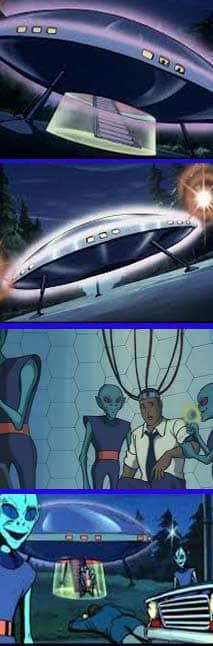
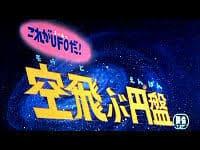
Nel 1976 la Nakajima commercializzò la “Flying Saucer UFO Series”, una linea di giocattoli ispirata al lungometraggio animato della Toei del 1975 Kore ga UFO da! Soratobu Enban. Il film, suddiviso in quattro capitoli, narra celebri casi ufologici reali, come la tragedia del pilota Thomas Mantell del 1948 e il rapimento dei coniugi Barney e Betty Hill avvenuto nel 1961, cavalcando il grande interesse mediatico che il fenomeno UFO suscitava in quegli anni.
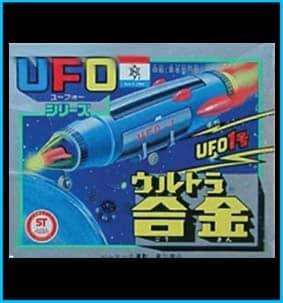
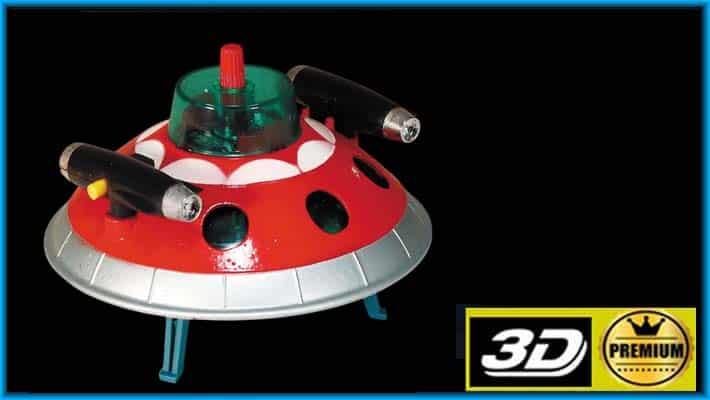
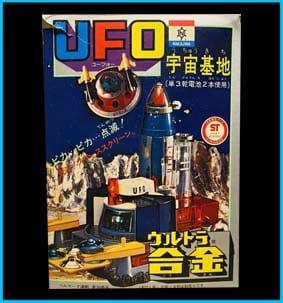
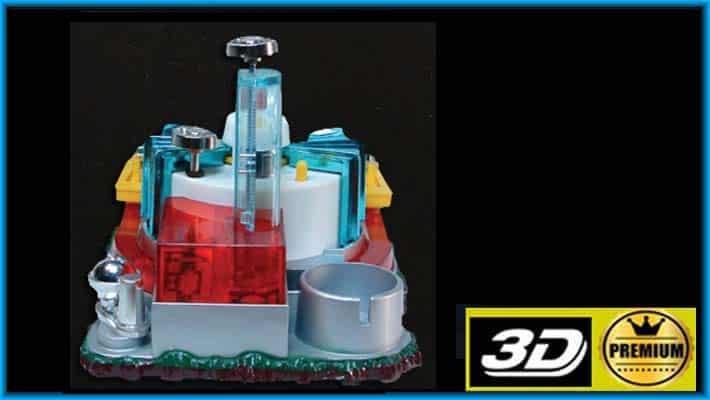
Il merchandising diecast fu realizzato principalmente dalla NAKAJIMA, che produsse tre modelli di dischi volanti (UFO 1, 2 e 3) e una base spaziale, caratterizzati da un design influenzato direttamente dalle immagini del lungometraggio Toei. Parallelamente, anche la TAKATOKU contribuì al tema realizzando il celebre modello dell’UFO Adamsky, basato sulle controverse fotografie del famoso ufologo George Adamsky, diventando un pezzo iconico per i collezionisti del genere.
 |
|---|
| UFO |
Nel 1976 la ditta Nakajima ha commercializzato una serie di giocattoli con il nome: Flying Saucer UFO Series. Si trattava di mezzi spaziali, ed in particolare di UFO. Commercializzati anche in Italia, per diversi anni non è mai stato ben chiaro se fossero tratti da qualche serie o anime televi- sivo perchè nei foglietti inclusi non c’era nessun riferimento specifico. In realtà è poi emerso con certezza che i mezzi siano stati ispirati e tratti da un film animato della Toei proiettato in prima visione il 21 marzo 1975 al Toei Manga Festival 1975 con il titolo: Kore ga UFO da! Sora- tobu Enban. Si tratta più esattamente di un lungometraggio della durata di circa 16 minuti. Suddiviso in quattro capitoli autocon- clusivi, ciascuno narra una storia di avvistamenti UFO. Nel primo capitolo viene rappresentato il primo avvistamento UFO avvenuto nel 1948 nel Kentucky, con la tragedia del pilota militare dell’ U- nited States Air Force Thomas Mantell. Nella seconda parte viene descritto un secondo avvistamento avvenuto nel 1947 quando un pilota civile dello stato di Washington notò un disco volante nel cielo causare un incidente di volo. Il terzo capitolo è sicuramente molto forte e racconta il rapimento da parte degli alieni dei coniugi Barney e Betty Hill avvenuto nel 1961. Lultimo capitolo descrive invece un incidente avvenuto nel 1974, quando un elicottero militare precipitò sembra a causa di un contatto troppo ravvicinato con un U.F.0. Il lungometraggio passò quasi del tutto inos- servato, solo molti anni dopo sono emersi inaggiori dettagli e sopratutto immagini di riferimento. |

Il merchandising Diecast della serie fu realizzato dalla ditta NAKAJIMA  .
.
Diecast prodotti dalla ditta Nakajima, toys abbastanza comuni da trovare.
Tutte le schede dei vari diecast realizzati sono disponibili nel Quarto libro dell’enciclopedia e on line per gli Utenti Premium
| UFO |
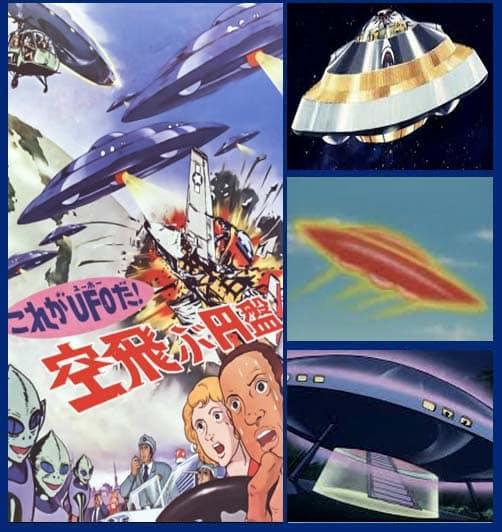
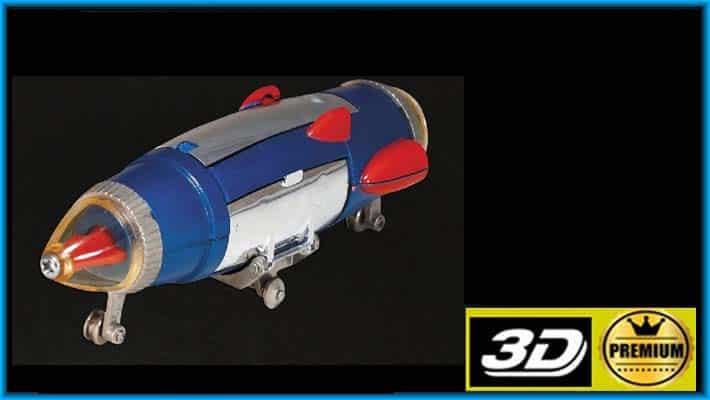
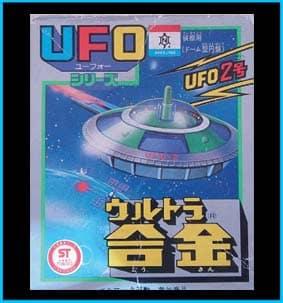
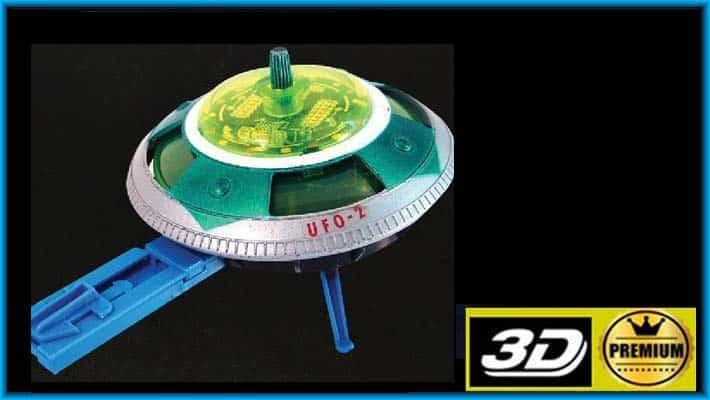
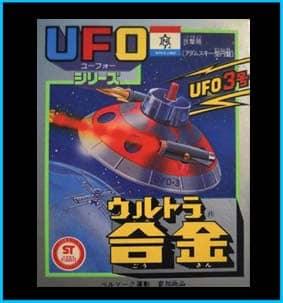
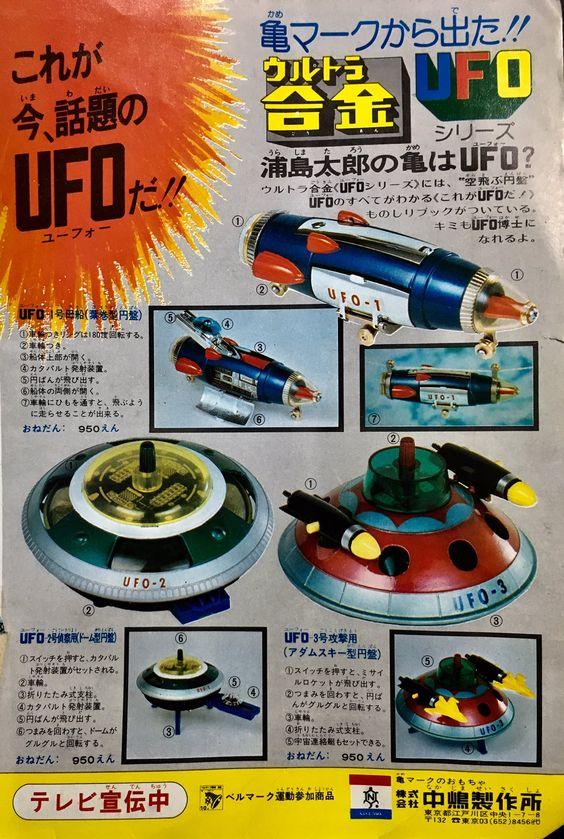
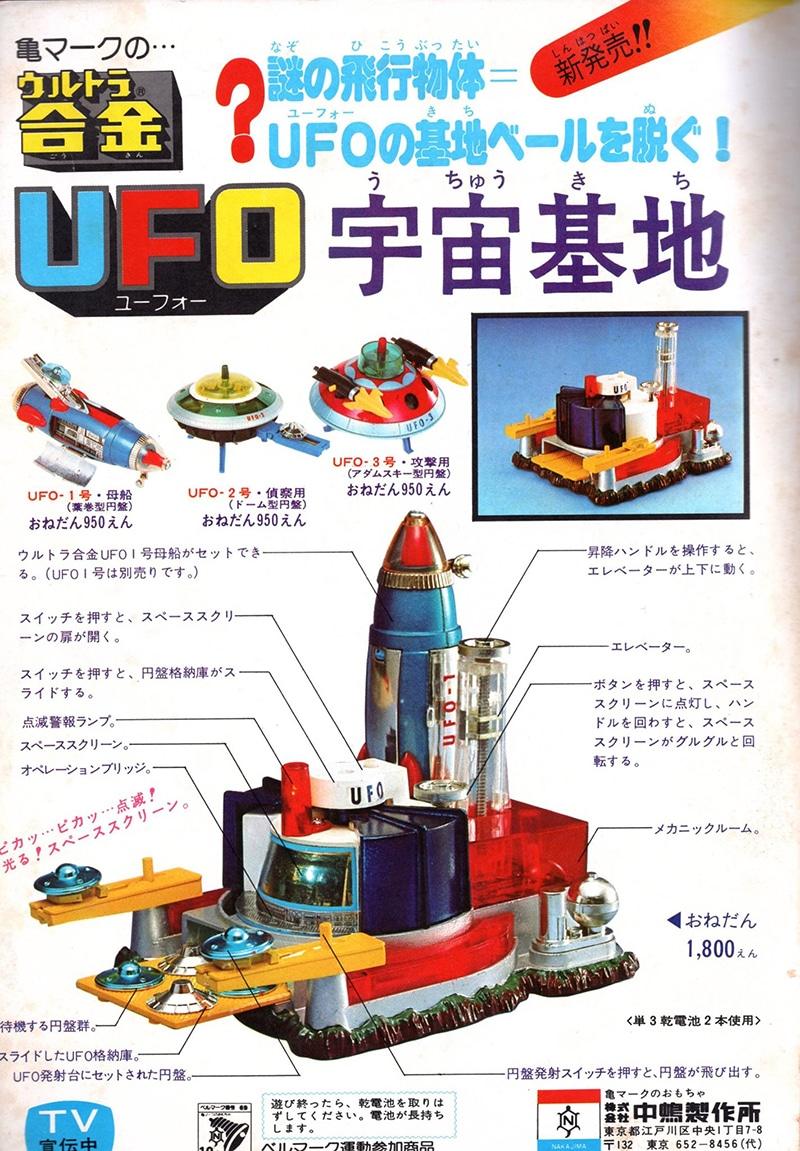
Sicuramente il fenomeno U.F.0. anche in Giappone negli anni 70 era un argomento molto sentito e che suscitava molto interesse nelle discussioni quotidiane. Nakajima decise quindi di sfruttare questa curiosità “mediatica” traendone dei vantaggi economici. Creò quindi la linea Flying Saucer UFO: commercializzando tre modelli in metallo e plastica ed una base spaziale. Osservando le immagini in questa pagina risulta evidente l’influenza del lungometraggio precedente- mente descritto nella scelta del mecha design dei veicoli. Solo la base invece è una libera interpretazione Nakajima creata per lo più per poter ospitare e interagire con i vari mezzi. |

| UFO ADAMSKY |
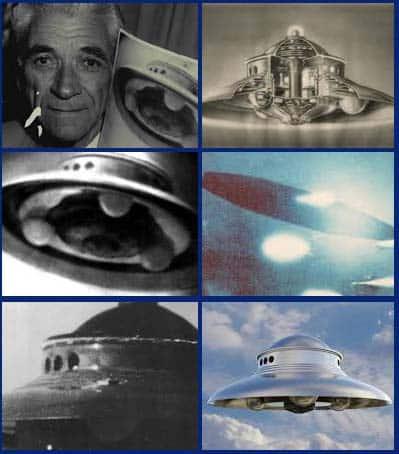
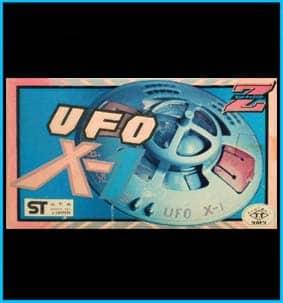
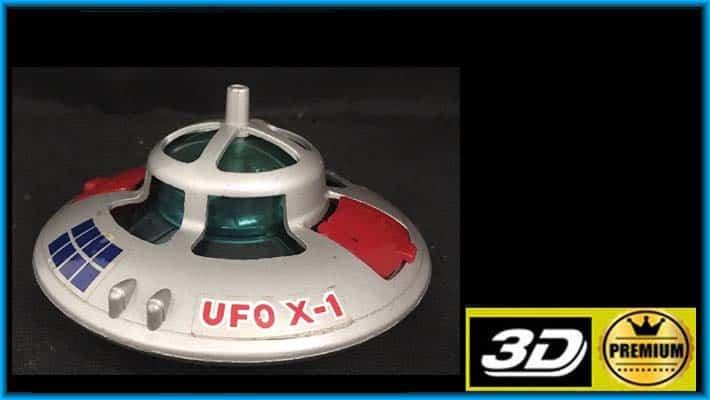
Takatoku tra innumerevoli serie di giocat- toli inerenti a robot e serie animate ha prodotto anche la miniatura di un UFO. Il giocattolo non è tratto da nessuna serie o cartone animato. Come altre ditte (vedi ad esempio Nakajima nel quarto volume dell’Enciclopedia dei Diecast), realizzò questo diecast per sfruttare l’onda di curiosità che argomento UFO stava avendo in quegli anni. Il diecast in particolare era la rappresentazione dell’ufo fotografato da George Adamsky, famosissimo ufologo polacco-statunitense vissuto tra il 1892 e 1965 che raccontò tramite racconti e fotografie i suoi innumerevoli contatti con extraterresti. |
| UFO ADAMSKY |
 |


UFO – Close Encounters of Steel
In 1976, Nakajima launched the “Flying Saucer UFO Series,” a toy line inspired by the 1975 Toei animated feature Kore ga UFO da! Soratobu Enban. The film, divided into four chapters, recounts famous real-life UFO cases, such as the 1948 tragedy of pilot Thomas Mantell and the 1961 abduction of Barney and Betty Hill, capitalizing on the massive media interest surrounding the UFO phenomenon during those years.
The diecast merchandising was primarily produced by NAKAJIMA, which released three flying saucer models (UFO 1, 2, and 3) and a space base, featuring a mecha design directly influenced by the Toei film. Meanwhile, TAKATOKU also contributed to the theme by producing the famous Adamsky UFO model, based on the controversial photographs by renowned ufologist George Adamsky, becoming an iconic piece for genre collectors.
|
|---|
| UFO |
In 1976, the Nakajima company marketed a series of toys called the Flying Saucer UFO Series. These were space vehicles, specifically UFOs. Also marketed in Italy, for several years it was unclear whether they were based on a television series or anime because the included leaflets contained no specific references. In reality, it later emerged with certainty that the vehicles were inspired by and based on a Toei animated film premiered on March 21, 1975, at the Toei Manga Festival 1975, titled Kore ga UFO da! Soratobu Enban. More precisely, it is a feature film lasting approximately 16 minutes. Divided into four self-contained chapters, each tells a story of UFO sightings. The first chapter depicts the first UFO sighting in 1948 in Kentucky, with the tragedy of United States Air Force pilot Thomas Mantell. The second part describes a second sighting in 1947, when a civilian pilot from Washington State noticed a flying saucer in the sky that caused a flight accident. The third chapter is certainly very powerful, recounting the alien abduction of Barney and Betty Hill in 1961. The final chapter describes an incident in 1974, when a military helicopter crashed, apparently due to a close contact with a UFO. The feature film went almost completely unnoticed; only many years later did more details and, above all, reference images emerge. |
The diecast merchandising of the series was made by the company NAKAJIMA .
Diecast products by the Nakajima company, toys quite common to find.
All the cards of the various diecast models made are available in the Fourth book of the encyclopedia and online for the Premium Users
| UFO |
The U.F.0. phenomenon was certainly a hot topic in Japan in the 1970s, sparking much interest in daily discussions. Nakajima then decided to capitalize on this media hype for financial gain. He created the Flying Saucer UFO line, marketing three metal and plastic models and a space base. Looking at the images on this page, the influence of the previously described feature film is evident in the choice of the vehicles’ mecha design. Only the base, however, is a free interpretation by Nakajima, created primarily to accommodate and interact with the various vehicles. |

| UFO ADAMSKY |
Among its countless toy series featuring robots and animated series, Takatoku also produced a miniature UFO. The toy is not based on any series or cartoon. Like other companies (see, for example, Nakajima in the fourth volume of the Diecast Encyclopedia), it created this diecast model to capitalize on the wave of curiosity surrounding UFOs in those years. The diecast model in particular was a representation of the UFO photographed by George Adamsky, a famous Polish-American ufologist who lived between 1892 and 1965 and who chronicled his countless contacts with extraterrestrials through stories and photographs. |
| UFO ADAMSKY |
|