



ULTRAMAN LEO – Il Leone della Nebulosa L77
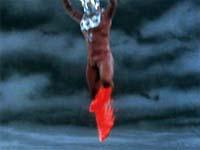
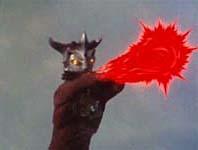
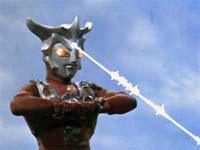
Ultraman Leo, settimo capitolo della saga trasmesso tra il 1974 e il 1975, narra la storia di Gen Otori, un alieno proveniente dalla Nebulosa L77 che assume forma umana sulla Terra. Dopo aver salvato Ultraseven, Leo viene addestrato da Dan Moroboshi per difendere il Giappone da spietati invasori alieni. La serie è ricordata per le sue atmosfere più oscure e violente, fondendo fantascienza e arti marziali.
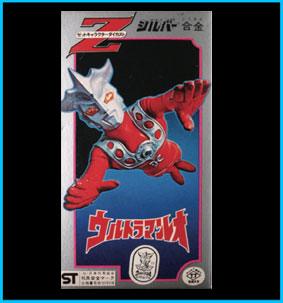
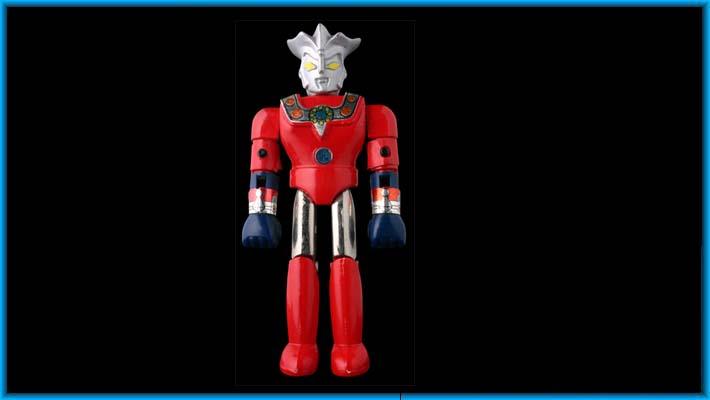
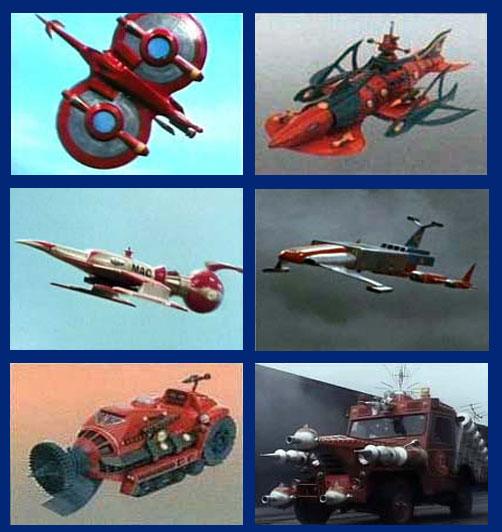
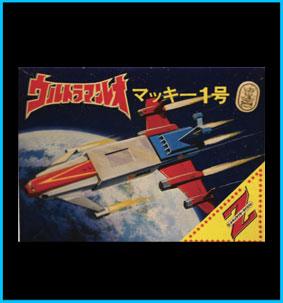
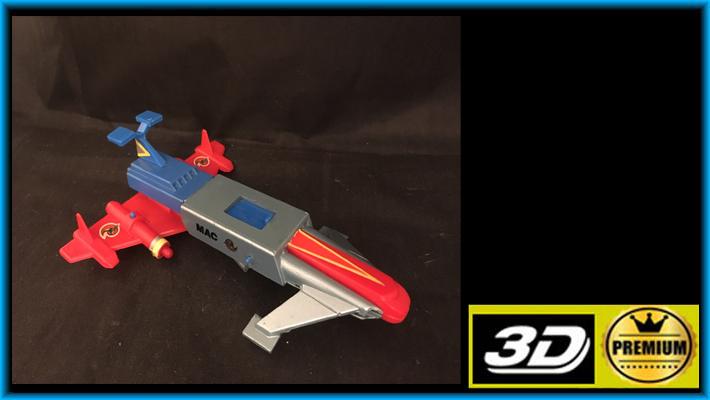
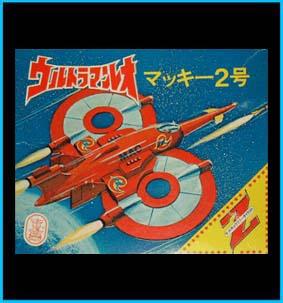
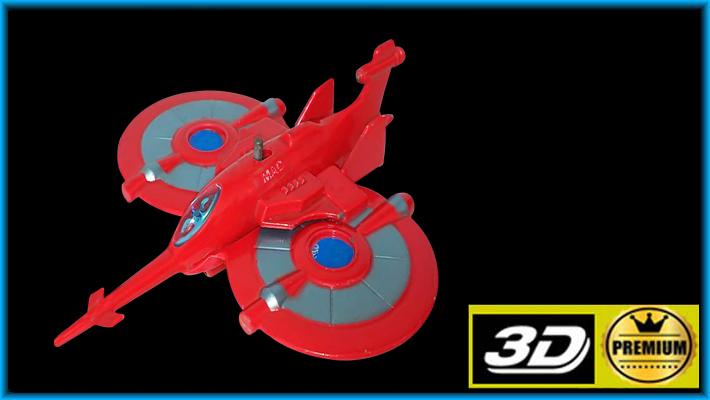
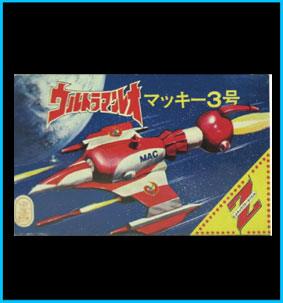
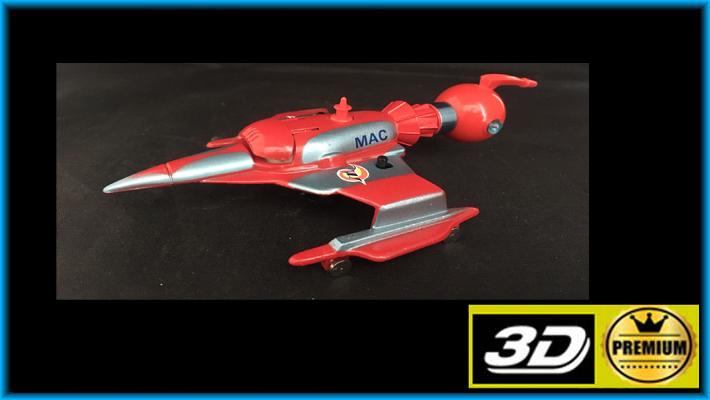
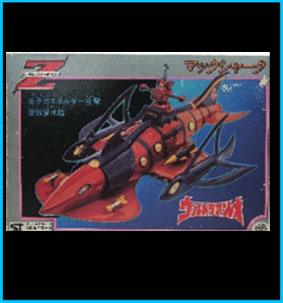
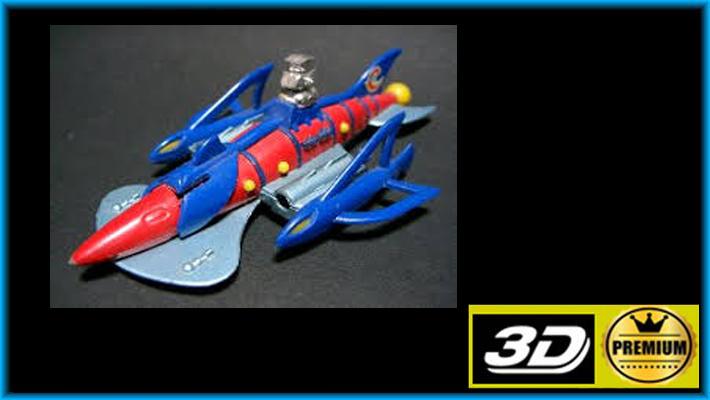
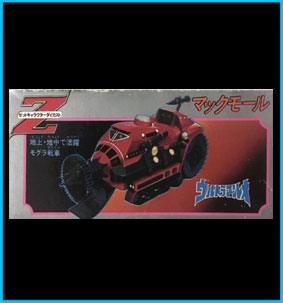
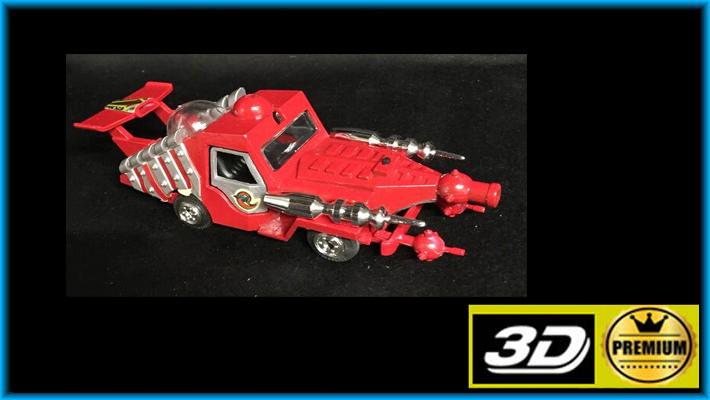
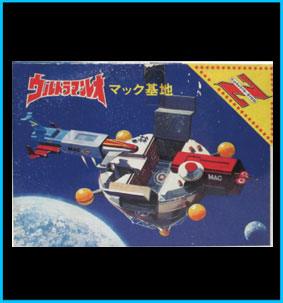
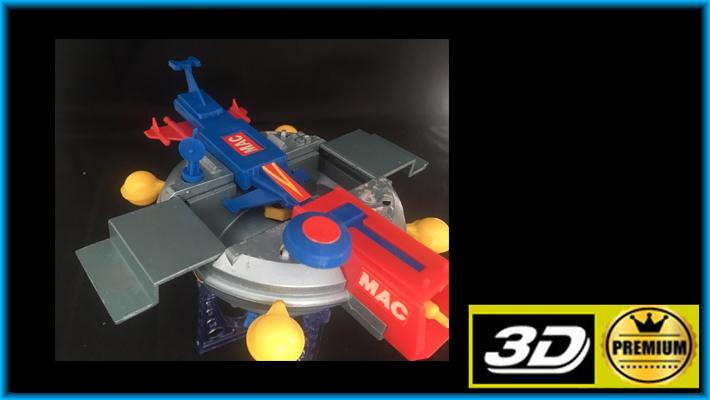
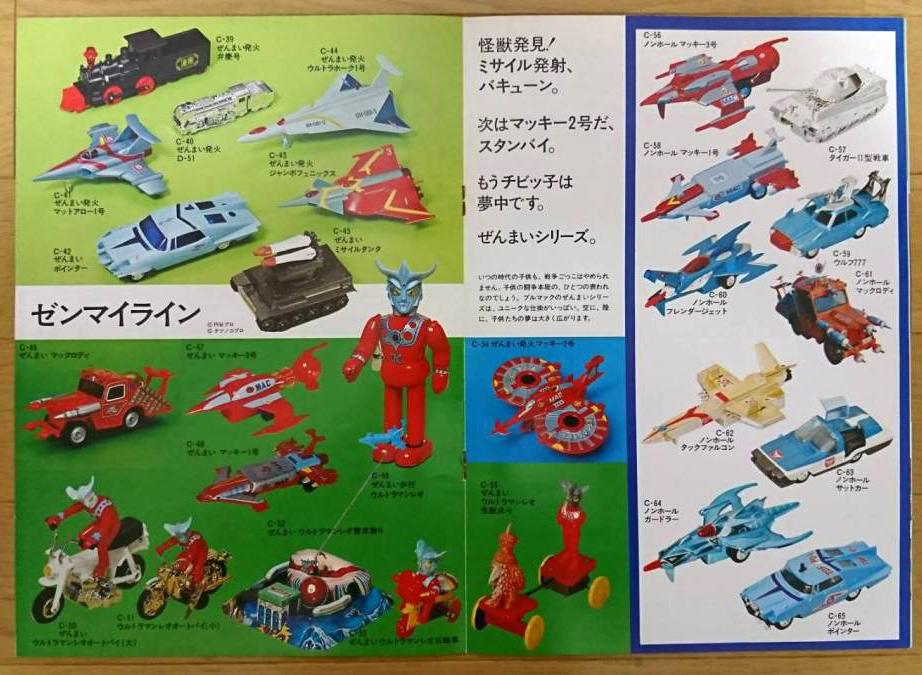
Il merchandising diecast fu realizzato dalla TAKATOKU. Oltre al personaggio principale, la ditta ha prodotto in metallo l’intera flotta della MAC: i modelli MAC-1, MAC-2, MAC-3, il MAC Shark e la MAC Base. Questi pezzi, pur mostrando l’influenza dello stile Popy, sono oggi molto apprezzati dai collezionisti per il loro design unico e il grande fascino vintage.

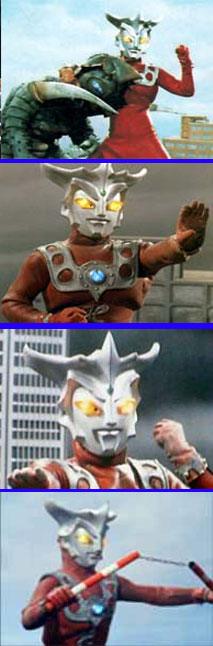
 |
|---|
| ULTRAMAN LEO – 51 PUNTATE – 1974 |
Ultraman Leo proviene da Nebula L77 (Leo costellazione), e prende la forma umana del Gen Otori. E’ il settimo capitolo della serie Ultraman , trasmessa dal 1974 al 1975. Aveva un tema molto più oscuro rispetto al precedente Ultraman Taro. ravestendosi da artista marziale Gen Ohtori sulla Terra, Leo salva la vita di Ultraseven dopo che l’eroe veterano è stato ferito da Magma e dai loro mostri. Incapace di trasformarsi, Dan Moroboshi, ora capitano della Monster Attack Crew, addestra Leo al combattimento per proteggere il Giappone da una serie di spietati invasori alieni. L’ultimo del classico ciclo degli anni ’70, Ultraman Leo ha dovuto affrontare una battaglia enorme e in salita rispetto ai suoi predecessori. Prodotto durante la crisi petrolifera degli anni ’70, Leo come spettacolo soffriva di un budget notevolmente inferiore, con conseguenti effetti speciali più economici. Cercando di riconquistare gli spettatori più anziani, Leo fondeva l’eroismo fantascientifico tradizionale dei film precedenti con elementi di film di arti marziali e la violenza dei film horror degli anni ’70, ottenendo risultati molto contrastanti, portando agli ascolti televisivi più bassi del franchise |

Il merchandising Diecast della serie fu realizzato dalla ditta TAKATOKU  .
.
La serie Ultraman Leo è stata una delle prime commercializzate dalla Takatoku, è quindi evidente la mancanza di proporzioni e l’influenza dei modelli Popy soprattutto nel mecha design del personaggio principale.
Tutte le schede dei vari diecast realizzati sono disponibili nel Quinto libro dell’enciclopedia e on line per gli Utenti Premium

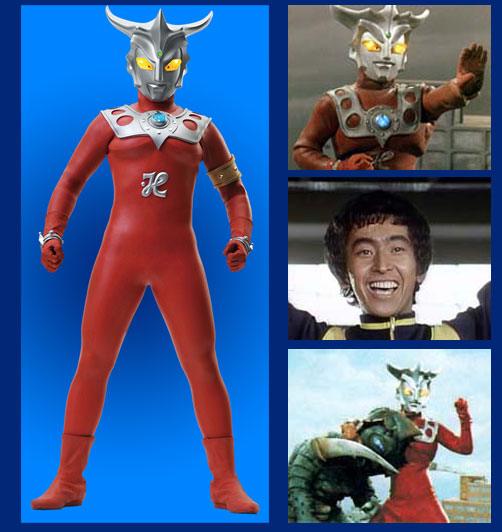
| ULTRAMAN LEO |
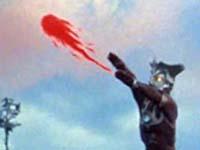
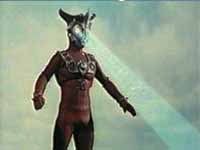
Ultraman Leo proviene da Nebula L77 (Leo costellazione), e prende la forma umana del Gen Otori. |
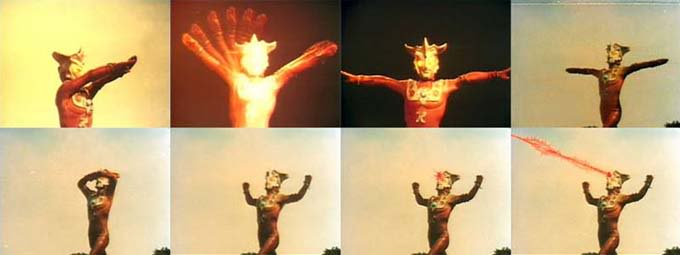



Umeda Tooru
Studente del Seongnam Sports Center, Nel finale della serie Alla fine, aiutò Ultraman Leo a portare via il cristallo del comando nero, dandogli la vittoria finale
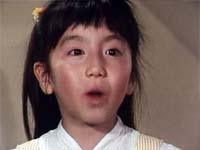
Umeda Kaoru
La sorella di Tooru, una studentessa del Seongnam Sports Center, più forte ed intelligente di suo fratello, muore nel 40esimo episodio quando fu attaccata da un mostro.
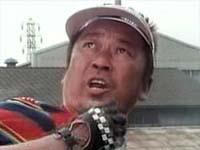
Desk
Il responsabile del centro sportivo di Chengnan è di buon cuore ma ha poco coraggio, ma ha un forte senso di giustizia.Ha studiato kendo quando era giovane. .

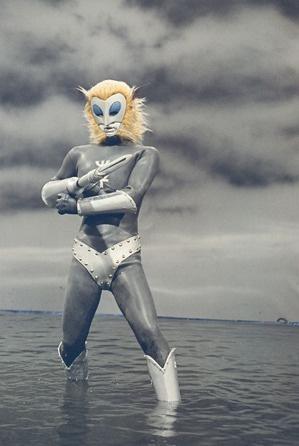
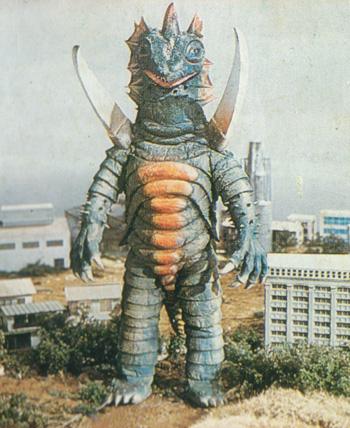
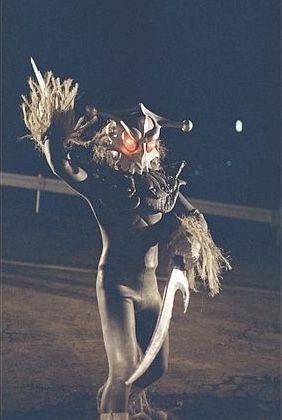
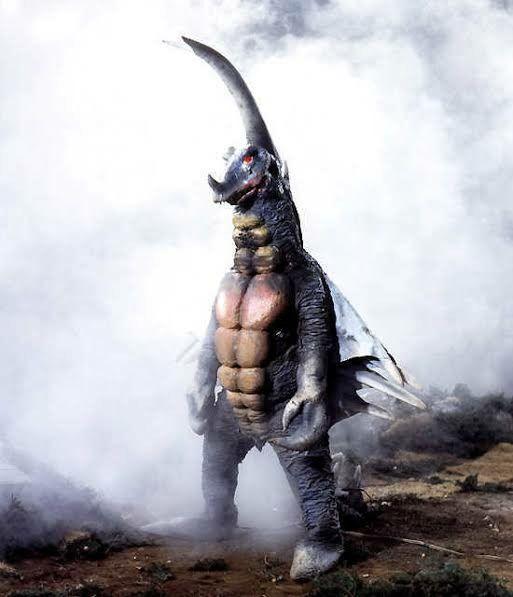
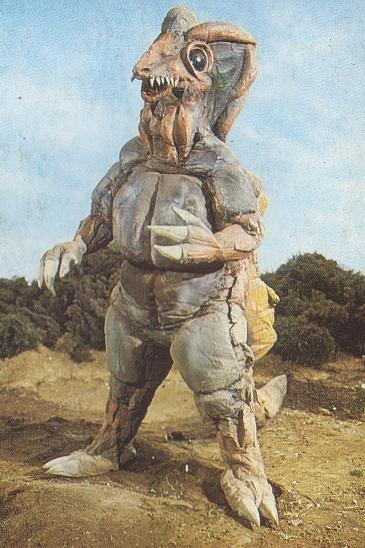
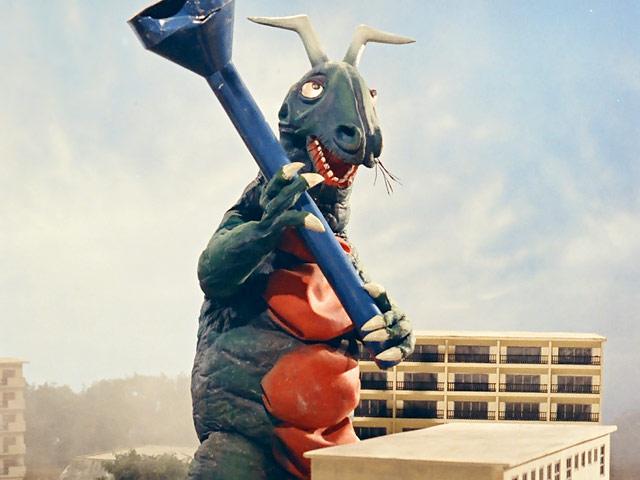
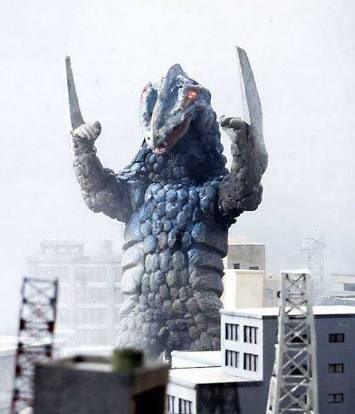
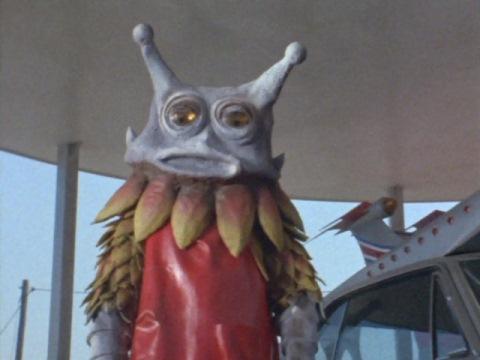
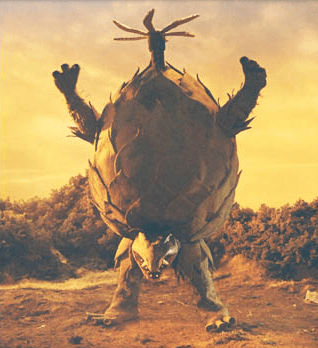
Durante la serie il protagonista combatte prevalentemente contro mostri Kaiju ma talvolta anche con invasori alieni dalle fattezze più simili agli umani.


ULTRAMAN LEO – The Lion of Nebula L77
Ultraman Leo, the seventh chapter of the saga (1974-1975), tells the story of Gen Otori, an alien from Nebula L77 who takes human form on Earth. Trained by Dan Moroboshi, Leo protects Japan from ruthless invaders. The series is known for its darker and more violent tone, blending sci-fi with martial arts elements.
Diecast merchandising was handled by TAKATOKU. In addition to the main character, the company produced the entire MAC fleet in metal: MAC-1, MAC-2, MAC-3, MAC Shark, and the MAC Base. These pieces, while influenced by Popy’s style, are highly sought-after today by collectors for their unique design and vintage appeal.

|
|---|
| ULTRAMAN LEO – 51 EPISODES – 1974 |
Ultraman Leo hails from Nebula L77 (Leo constellation), and takes the human form of Gen Otori. It is the seventh installment in the Ultraman series, which aired from 1974 to 1975. It had a much darker theme than the previous Ultraman Taro. Disguising himself as martial artist Gen Ohtori on Earth, Leo saves Ultraseven’s life after the veteran hero is injured by Magma and their monsters. Unable to transform, Dan Moroboshi, now captain of the Monster Attack Crew, trains Leo in combat to protect Japan from a series of ruthless alien invaders. The last of the classic 1970s cycle, Ultraman Leo faced a massive, uphill battle compared to its predecessors. Produced during the 1970s oil crisis, Leo as a show suffered from a significantly lower budget, resulting in cheaper special effects. Trying to recapture older viewers, Leo blended the traditional sci-fi heroism of the previous films with elements of martial arts films and the violence of ’70s horror films, to very mixed results, leading to the lowest television ratings of the franchise. |
The diecast merchandising of the series was made by the company TAKATOKU .
The Ultraman Leo series was one of the first marketed by Takatoku, so the lack of proportions and the influence of the Popy models are evident, especially in the mecha design of the main character.
All the cards of the various diecast models made are available in the Fifth book of the encyclopedia and online for the Premium Users

| ULTRAMAN LEO |
Ultraman Leo comes from Nebula L77 (Leo constellation), and takes the human form of Gen Otori. |

Umeda Tooru
Student of Seongnam Sports Center, In the series finale In the end, he helped Ultraman Leo take away the Black Command Crystal, giving him the final victory
Umeda Kaoru
Tooru’s sister, a student at Seongnam Sports Center, stronger and smarter than her brother, dies in the 40th episode when she was attacked by a monster.
Desk
The head of Chengnan Sports Center is kind-hearted but has little courage, but has a strong sense of justice. He studied kendo when he was young. .
During the series the protagonist fights mainly against Kaiju monsters but sometimes also against alien invaders with more human-like features.


| Ultramanleo Artbook |
 VIEW |

| tokusatsu Artbook |
VIEW |

| Ultraman Artbook |
VIEW |


| BOX Ultraman Base |
 |

| BOX MAC 2 |
|
