



Beetras: L’Eccellenza Takatoku e il Mistero del Beet-Vadam
Prodotta nel 1984, Armored Insect Corps Beetras rappresenta l’apice tecnologico raggiunto da Takatoku poco prima della sua chiusura definitiva. La serie si distingue per guerrieri robotici capaci di trasformarsi in insetti corazzati con una complessità meccanica straordinaria. A differenza dei classici robot in metallo, i modelli Beetras sono realizzati in plastica di alta qualità, una scelta tecnica necessaria per gestire gli intricati meccanismi di trasformazione.
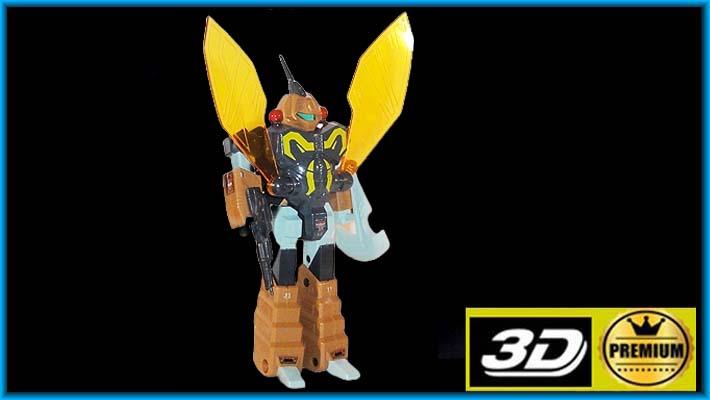
I tre modelli ufficialmente arrivati sul mercato, come riportato correttamente sulle scatole originali, sono il Beet-Gadol (scarabeo ercole), il Beet-Gugal (scarabeo giapponese) e il Beet-Zeguna (cervo volante). Questi stampi sono diventati leggendari anche in Occidente, poiché furono successivamente acquisiti da Hasbro per i “Deluxe Insecticons” nella linea Transformers.
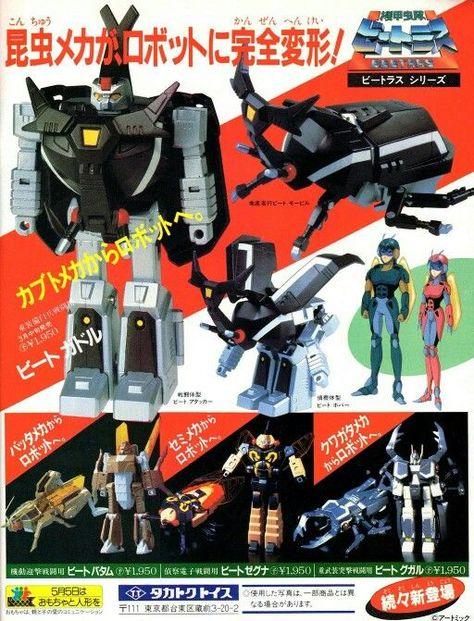
Un capitolo a parte merita il Beet-Vadam (cicala): sebbene apparisse nei cataloghi promozionali e fosse previsto come quarta uscita ufficiale, non fu mai prodotto in serie dalla Takatoku a causa del fallimento della ditta, diventando uno dei prototipi “fantasma” più famosi della storia del collezionismo vintage.
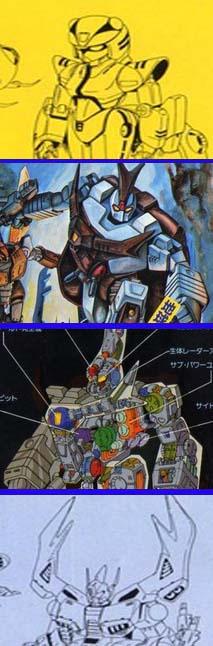
In questa sezione di Robot Vintage, analizziamo nel dettaglio il trio dei Beetras, confrontiamo i design originali con le varianti Hasbro e riscopriamo i rari cataloghi dell’epoca che mostravano l’ormai introvabile Beet-Vadam.

 |
|---|
| ARMORED INSECT CORPS BEETRAS |
(Informazioni ricavate dall’opuscolo contenuto nella scatola dei diecast) Nella città sotterranea di Komun c’erano due tribù, gli Ekimu e i Gaim, che vivevano separatamente a causa delle differenze ideologiche. La tribù Ekimu era una tribù amante della pace che viveva sottoterra, mentre la tribù Gaim era una tribù guerriera che preferiva combattere e cercare il dominio sulla terra. Tuttavia, la tribù Gaim era sotto il controllo della tribù Ekimu e non poteva procedere invasioni di terra. Non c’era. Poiché l’equilibrio delle forze militari veniva mantenuto, la pace continuò in superficie e nel sottosuolo, ma le risorse sotterranee sviluppate inutilmente e gli scavi di risorse minerarie avvenuti in superficie sconvolsero l’equilibrio del mondo naturale e l’impatto fu sulla tribù Ekimu. e permise alla tribù Gaim di invadere la terra. Nel 1984 si verificarono misteriosi movimenti crostali in varie parti della terra e la situazione reale rimase sconosciuta. I danni furono gravi e molte grandi città furono distrutte in un istante da tsunami e terremoti. Molte delle principali città disponevano di strutture militari, il che causò tensioni tra i paesi. Nonostante l’incidente globale, nessun danno è stato fatto al Giappone, ma un giorno, due giganteschi insetti meccanici Gaim sono apparsi all’improvviso nel sottocentro di Shinjuku, che era affollato di gente, e con un rimbombo sono apparsi due giganteschi insetti meccanici Gaim, distruggendo quello terrestre. dopo l’altro. All’ultimo momento, quando sembra che Tokyo verrà distrutta, un nuovo tipo di insetto meccanico appare davanti a lui, aiuta Mamoru e combatte i due insetti meccanici. Un ragazzo emerge dagli insetti meccanici che si trovano di fronte a lui e spiega di essere Karim, il leader della squadra dei Maggiolini, e di provenire dalla città sotterranea di Komun. Chiede a Mamoru di diventare il leader della squadra dei Beetles e muore. |

Il merchandising Diecast della serie fu realizzato dalla ditta TAKATOKU  .
.
La serie non è mai stata trasmessa a causa del fallimento della Takatoku che l’aveva sponsorizzata per poterne poi vendere i modelli. I modelli realizzati sono poco ricercati.
Tutte le schede dei vari diecast realizzati sono disponibili nel Quinto libro dell’enciclopedia e on line per gli Utenti Premium

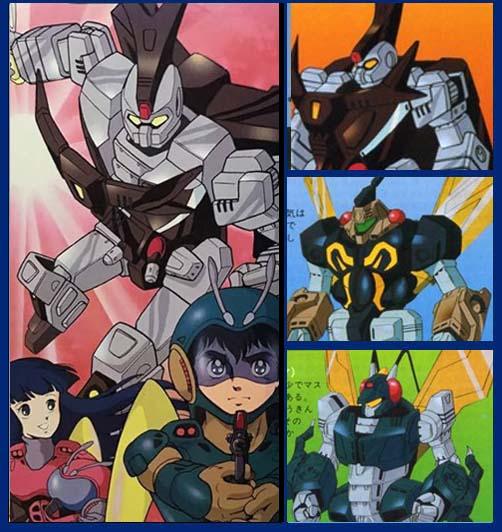
sviluppati attraverso le avanzate capacità scientifiche della tribù Ekim. Inoltre, il meccanismo mobile di tipo insetto è un meccanismo variabile che può assumere tre tipi di tipi mobili per scopi operativi: Beat Attacker per il tipo di combattimento, Beat Hover per il tipo di ricognizione e Beat Mobile per i viaggi sotterranei. In questo modo, è un’arma progettata per dimostrare il suo vero potenziale ovunque sulla Terra. |
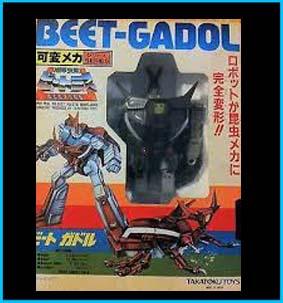
| BEET GADOL |
|
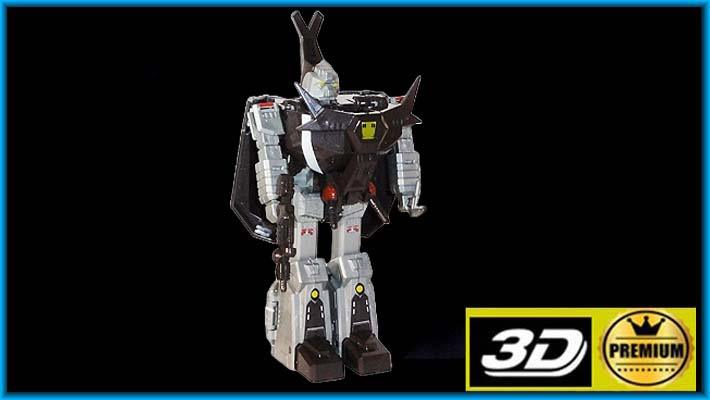
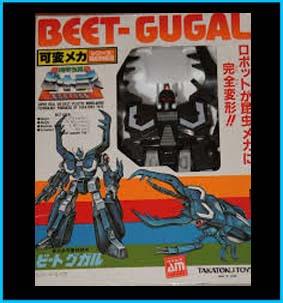
| BEET GUGAL |
|
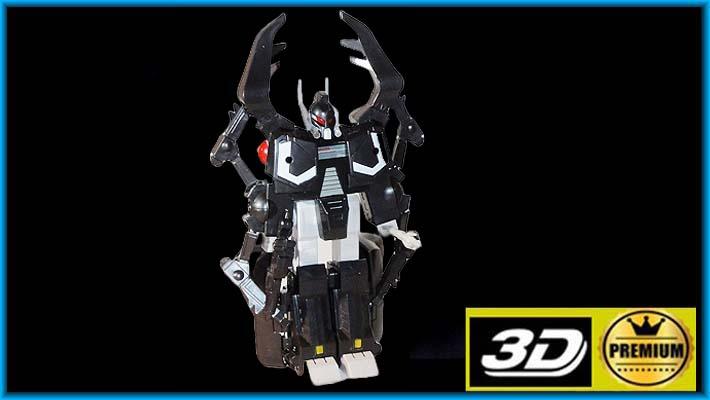
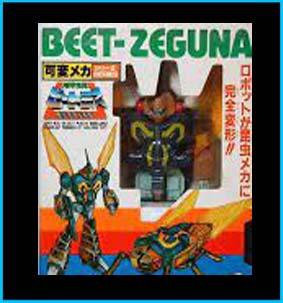
| BEET ZEGUNA |
|

Mamoru
E’ un terrestre, un giovane coraggioso con un forte senso della giustizia, dopo l’incontro e il sacrificio di Karim, entra nella squadra Beetras e ne diventa il leader. Pilota il Beet-Gadol

Karma
Un soldato coraggioso che funge da secondario di Karim e pilota il Beet-Gugal. Ha una personalità forte e uno spirito combattivo.

Kirlo
E’ il più giovane del gruppo e funge da mascotte. In fondo è una persona scherzosa, ma è un genio e può risolvere qualsiasi problema difficile.Pilota il Beet Vadam

Tormo
Ha 17 anni, il più robusto del gruppo, è un tipo spensierato, ma è un esperto quando si tratta di riparare attrezzature. Pilota il Beet-Zeguna

Ramil
Nipote di un anziano Ekim e sorella minore di Karim, è una ragazza bella e di buon cuore, ma è un maschiaccio. Si innamora di Mamoru, che assomiglia a suo fratello maggiore Karim, Pilota un mecha con l’aspetto di una coccinella.

Karim
Un soldato di primo rango, un ruolo assegnato solo ai membri scelti della tribù Ekim. E’ il leader della squadra Beetras che pilota un Beet-Gadoll. Si sacrifica per salvare Mamoru al quale cede poi il suo robot.

Beetras: Takatoku’s Engineering and the Phantom Beet-Vadam
Released in 1984, Armored Insect Corps Beetras showcases the technological peak reached by Takatoku during its final months. The series is renowned for its robotic warriors that transform into heavily armed insects with impressive mechanical complexity. Unlike traditional die-cast robots, these models are crafted from high-quality plastic, allowing for the intricate transformation sequences that define the line.
The three officially released models, as named on their original Japanese boxes, are Beet-Gadol, Beet-Gugal, and Beet-Zeguna. These molds gained worldwide fame when Hasbro acquired them to include in the Transformers “Deluxe Insecticons” line, making the original Takatoku versions highly prized by collectors.
However, the Beet-Vadam (cicada-type) remains an industry legend. Although it was featured in promotional catalogs and planned as the fourth release, it was never mass-produced due to the company’s sudden closure. It now stands as one of the most famous “phantom” prototypes in toy history.
On this Robot Vintage page, we delve into the details of the three released Beetras, compare their original versions with Western counterparts, and revisit the rare Takatoku catalogs featuring the elusive Beet-Vadam.

|
|---|
| ARMORED INSECT CORPS BEETRAS |
(Information taken from the brochure contained in the diecast box) In the underground city of Komun, there were two tribes, the Ekimu and the Gaim, who lived separately due to ideological differences. The Ekimu tribe was a peace-loving tribe that lived underground, while the Gaim tribe was a warlike tribe that preferred to fight and seek dominion over the land. However, the Gaim tribe was under the control of the Ekimu tribe and could not proceed with land invasions. There was no. Since the balance of military power was maintained, peace continued on the surface and underground, but the unnecessarily developed underground resources and the mining of mineral resources that occurred on the surface upset the balance of the natural world and the impact was on the Ekimu tribe. and allowed the Gaim tribe to invade the land. In 1984, mysterious crustal movements occurred in various parts of the earth, and the true situation remained unknown. The damage was severe, and many major cities were destroyed in an instant by tsunamis and earthquakes. Many major cities had military facilities, which caused tensions between the countries. Despite the global incident, no harm was done to Japan, but one day, two giant Gaim mechanical insects suddenly appeared in the Shinjuku underground, which was crowded with people, and with a rumble, two giant Gaim mechanical insects appeared, destroying the terrestrial one. after another. At the last moment, when it seems that Tokyo will be destroyed, a new type of mechanical insect appears in front of him, helps Mamoru and fights the two mechanical insects. A boy emerges from the mechanical insects in front of him and explains that he is Karim, the leader of the Beetle team, and that he comes from the underground city of Komun. He asks Mamoru to become the leader of the Beetle team and dies. |
The diecast merchandising of the series was made by the company TAKATOKU .
The series was never broadcast due to the bankruptcy of Takatoku who had sponsored it in order to sell the models. The models made are not very sought after.
All the cards of the various diecast models made are available in the Fifth book of the encyclopedia and online for the Premium Users
developed through the advanced scientific capabilities of the Ekim tribe. Furthermore, the insect-type mobile mechanism is a variable mechanism that can assume three types of mobile types for operational purposes: Beat Attacker for combat type, Beat Hover for reconnaissance type, and Beat Mobile for underground travel. In this way, it is a weapon designed to demonstrate its true potential anywhere on Earth. |
| BEET GADOL |
|
| BEET GUGAL |
|
| BEET ZEGUNA |
|

Mamoru
He is an earthling, a brave young man with a strong sense of justice, after meeting and sacrificing Karim, he joins the Beetras team and becomes its leader. He pilots the Beet-Gadol
Karma
A brave soldier who serves as Karim’s second in command and pilots the Beet-Gugal. He has a strong personality and fighting spirit.
Kirlo
He is the youngest of the group and acts as a mascot. He is a jokey person at heart, but he is a genius and can solve any difficult problem. He pilots the Beet Vadam
Tormo
He is 17 years old, the strongest of the group, he is a carefree guy, but he is an expert when it comes to repairing equipment. He pilots the Beet-Zeguna
Ramil
Granddaughter of an elder Ekim and younger sister of Karim, she is a beautiful and kind-hearted girl, but is a tomboy. She falls in love with Mamoru, who resembles her older brother Karim. She pilots a mecha with the appearance of a ladybug .
Karim
A first-rank soldier, a role assigned only to elite members of the Ekim tribe. He is the leader of the Beetras squad that pilots a Beet-Gadoll. He sacrifices himself to save Mamoru, to whom he then gives his robot.


| Fumetsu taisen |
 VIEW |
