




Battle Hawk: Le Arti Marziali di Go Nagai nel Tokusatsu
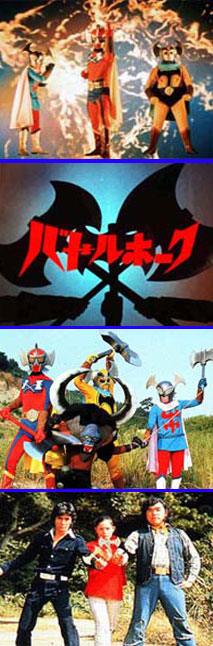
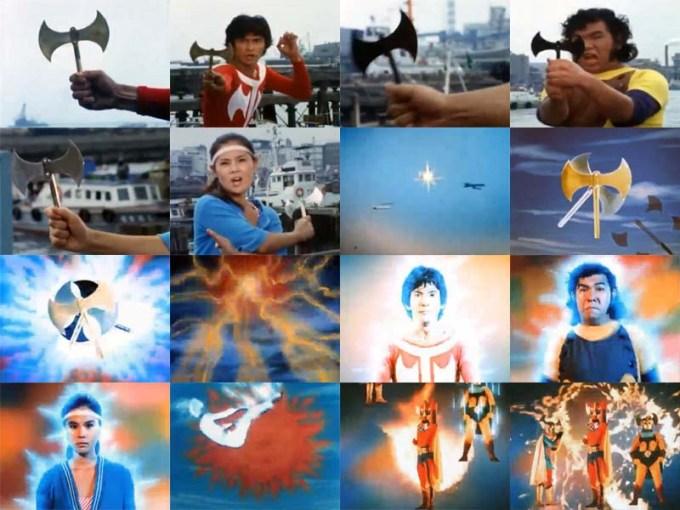
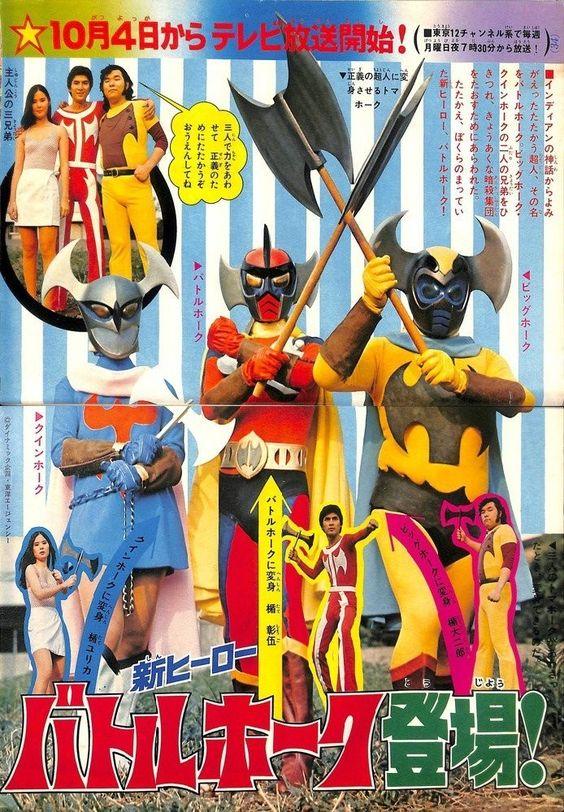
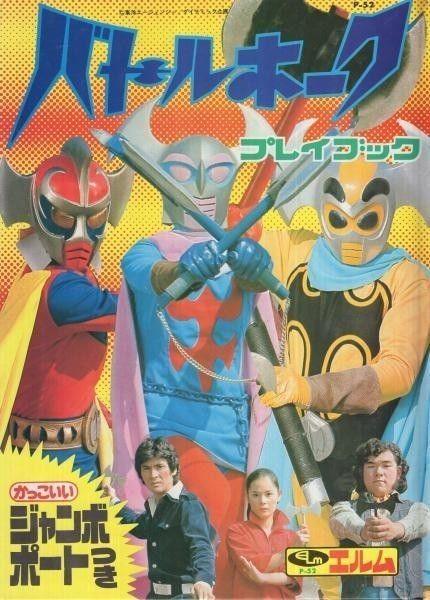
Andata in onda tra il 1976 e il 1977, Battle Hawk è una serie nata dalla collaborazione tra Toyo Agency e la Dynamic Productions di Go Nagai e Ken Ishikawa. La storia segue i tre fratelli Tate che, utilizzando dei tomahawk dorati, invocano lo spirito “God Hawk” per trasformarsi nei leggendari guerrieri Battle Hawk, Big Hawk e Queen Hawk, lottando contro la setta terroristica “Kyoki No Tou”.
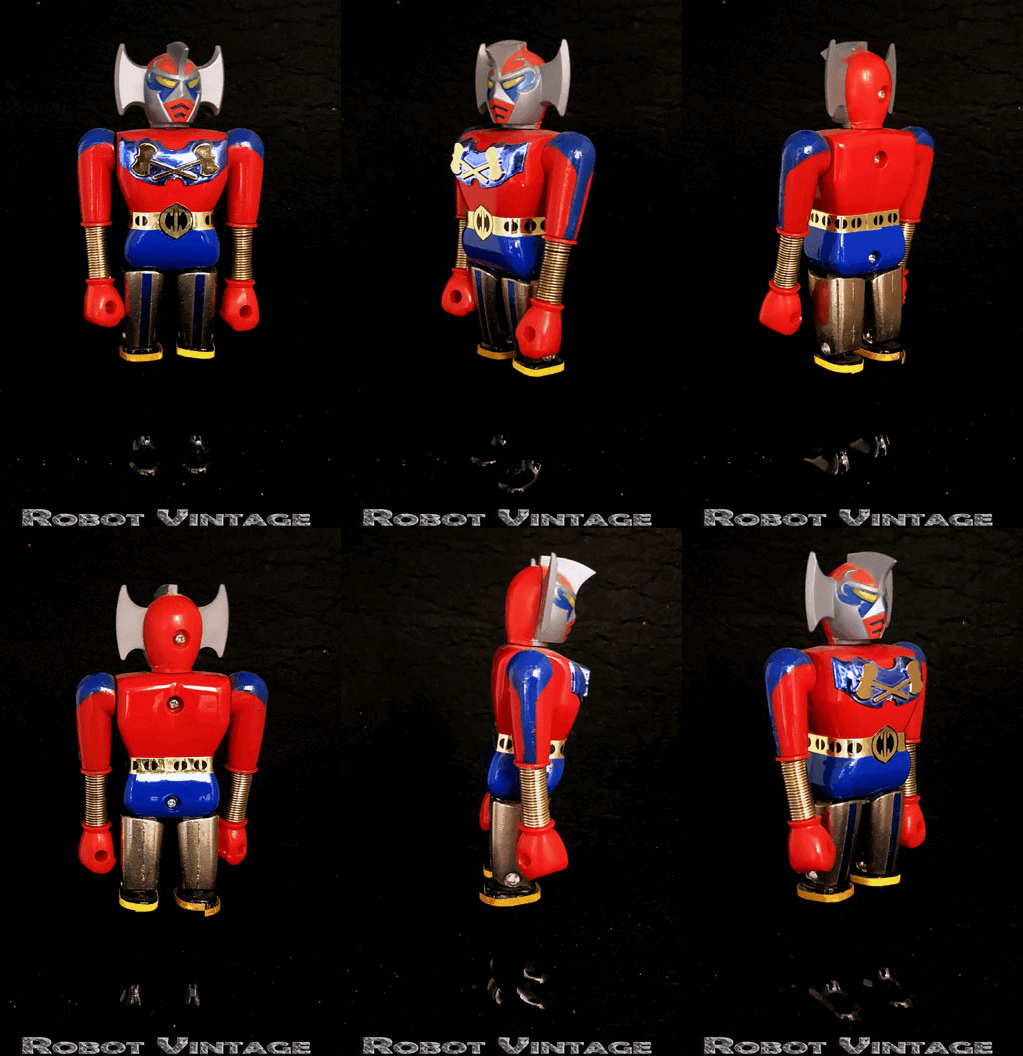
Nel panorama del collezionismo vintage, Battle Hawk occupa una nicchia affascinante. Il merchandising è legato a ditte come Takemi e Bullmark, che hanno prodotto figure die-cast e vinili oggi molto ricercati. I modelli della linea “Gokin” di Takemi, sebbene meno famosi dei Chogokin Popy, sono apprezzati per la solidità e la fedeltà ai costumi originali, caratterizzati dalle iconiche asce da guerra.
In questa sezione di Robot Vintage, approfondiamo i dettagli della serie, il design dei tre protagonisti e analizziamo i rari pezzi da collezione prodotti negli anni ’70, offrendo uno sguardo ravvicinato a un’opera che porta la firma inconfondibile dei creatori di Getter Robot.

 |
|---|
| BATTLE HAWK –26 PUNTATE – 1976 Battle Hawk è una serie televisiva giapponese tokusatsu creata da Go Nagai e Ken Ishikawa nel 1976. |
Trama: Durante un viaggio nel selvaggio West Americano, un famoso maestro d’armi giapponese Tatu Tetshua incontra un capo tribù indiano. Riceve in dono dei Mini-Tomahawks che vengono definiti magici, ma che potranno essere utilizzati solo da persone dal cuore nobile. Ritornato in Giappone li dona ai sui 3 nipoti. Una organizzazione criminale chiamata “Kyoki No Tou” (Comandamenti del Demone) inizia a delineare i suoi piani per il terrorismo globale. Come parte dei loro piani assassinano il maestro di arti marziali Tate Tetsushu, che in passato si era opposto a loro. Prima di morire, Tate Tetsushu informa i suoi nipoti Shogo, Daijiro e Yurika dei loro poteri segreti. Usando i Tomahawk dorati che Tate Tetsushu aveva regalato loro anni prima, i tre fratelli evocano lo spirito indiano americano “God Hawk” e diventano gli eroi della leggenda, “Battle Hawk”, “Big Hawk” e “Queen Hawk”. Usando i loro nuovi poteri e le loro armi, dichiarano guerra ai maniaci e agli assassini di “Kyoki No Tou”. |

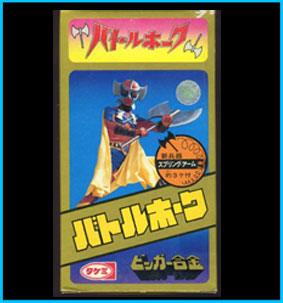
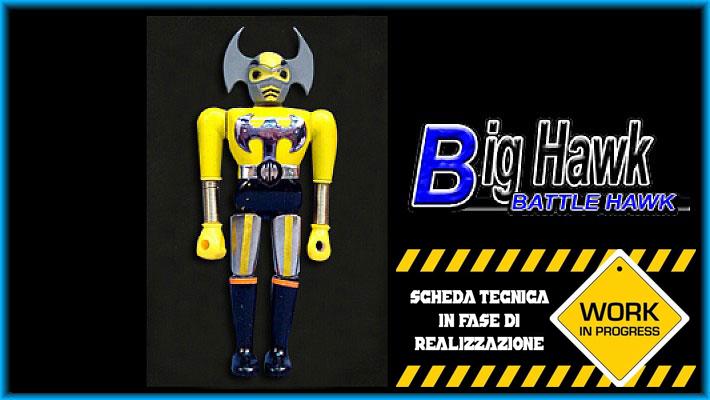
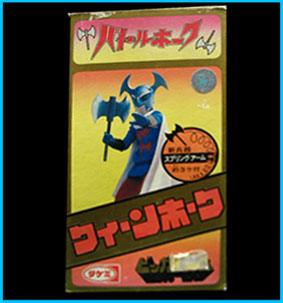
Il merchandising Diecast della serie fu realizzato dalla ditta TAKEMI  .
.
Diecast della serie realizzati da Takemi, abbastanza comuni e non particolarmente ricercati.
Attualmente i diecast della ditta TAKEMI non sono ancora stati catalogati nell’ Enciclopedia dei Diecast. Il volume è in fase di realizzazione.


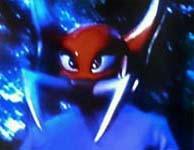
Battle Hawk (Tate Shongo)
Tate Shogo è il fratello maggiore e leader della squadra. Egli è il “Battle Hawk”, uno Spirito Guerriero indiano. Egli utilizza due asce, che si può utilizzare per tagliare e tagliare i suoi avversari.

| BATTLE HAWK |
|


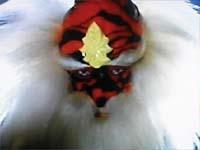
Big Hawk (Tate Daijiro)
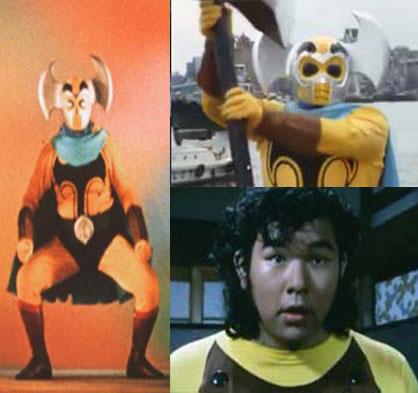
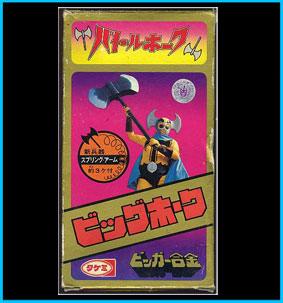
Tate Daijiro è il secondo fratello è il personaggio forte della squadra. Di fisico grande , corpulento e duro, diventa “Big Hawk” . Utilizza in battaglia una enorme ascia, grande quasi quanto lui, in gradi di abbattere gli avversari con un colpo solo.
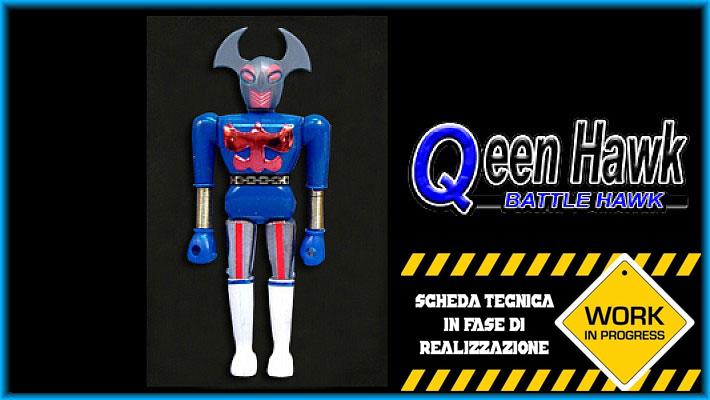
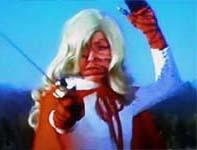
Queen Hawk (Tate Yurika)
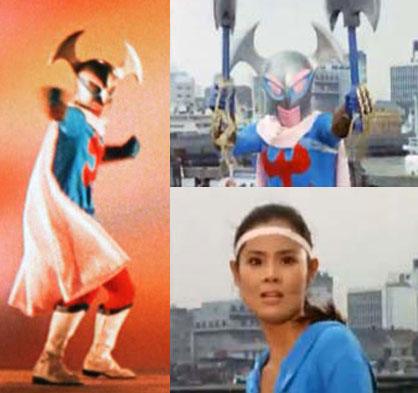
Tate Yurika è la più giovane dei fratelli e l’unica ragazza del gruppo, è un maschiaccio che guida motociclette, come arma utilizza dei piccole asce unite da una catena
| BIG HAWK |
|
| QUEEN HAWK |
|



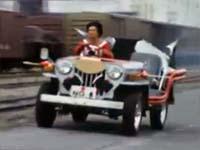
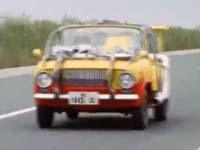
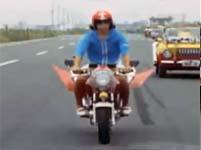

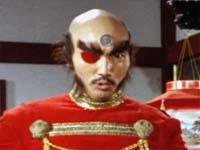
Kyoki No Tou
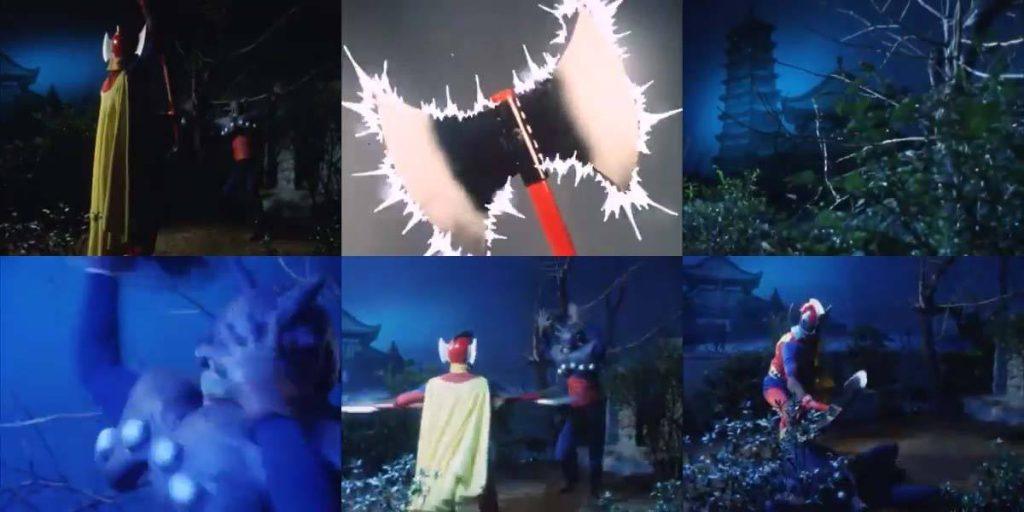
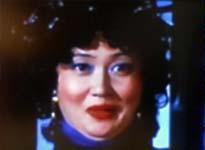
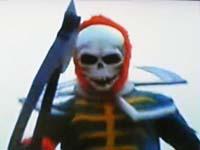
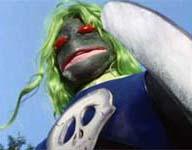
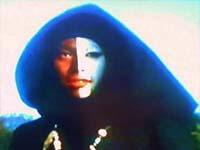
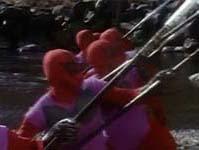
Si tratta di un gruppo segreto che raccoglie tra le sue fila i peggiori criminali esistenti, ciascuno è caratterizzato da un proprio stile di combattimento. Dispongono di moltissime armi e puntano a creare il caos e seminare terrore..


Battle Hawk: Go Nagai’s Martial Arts Heritage in Tokusatsu
Broadcast from 1976 to 1977, Battle Hawk is a unique entry in the Tokusatsu genre, born from the minds of Go Nagai and Ken Ishikawa. The story revolves around the three Tate siblings who, gifted with golden tomahawks, channel the “God Hawk” spirit to transform into the heroic Battle Hawk, Big Hawk, and Queen Hawk to stop the global terrorist syndicate “Kyoki No Tou”.
For vintage collectors, Battle Hawk offers a distinct aesthetic compared to mainstream mecha series. Toy production was primarily handled by companies like Takemi and Bullmark. Takemi’s die-cast figures, part of their “Gokin” line, are particularly prized for their sturdiness and capture the heroes’ Native American-inspired motifs and their signature battle axes, making them standout pieces in any collection.
On this Robot Vintage page, we explore the legacy of the Tate siblings, the technical details of their transformations, and provide a comprehensive look at the rare Takemi die-cast models and Bullmark vinyls that keep the spirit of this Dynamic Productions classic alive.

|
|---|
| BATTLE HAWK –26 EPISODE – 1976 Battle Hawk is a Japanese tokusatsu television series created by Go Nagai and Ken Ishikawa in 1976. |
Plot: During a journey in the American Wild West, a famous Japanese weapons master Tatu Tetshua meets an Indian tribal chief. He receives as a gift some Mini-Tomahawks that are said to be magical, but that can only be used by people with a noble heart. When he returned to Japan he gave them to his three grandchildren. A criminal organization called “Kyoki No Tou” (Demon Commandments) begins to lay out their plans for global terrorism. As part of their plans, they assassinate martial arts master Tate Tetsushu, who opposed them in the past. Before dying, Tate Tetsushu informs his nephews Shogo, Daijiro, and Yurika of their secret powers. Using the golden Tomahawks that Tate Tetsushu had given them years ago, the three brothers summon the American Indian spirit “God Hawk” and become the heroes of legend, “Battle Hawk,” “Big Hawk,” and “Queen Hawk.” Using their new powers and weapons, they wage war against the maniacs and murderers of “Kyoki No Tou.” |
The diecast merchandising of the series was made by the company TAKEMI .
Diecasts of the series made by Takemi, quite common and not particularly sought after.
Currently the company’s diecasts TAKEMI have not yet been catalogued in the Diecast Encyclopedia. The volume is in progress.

Battle Hawk (Tate Shongo)
Tate Shogo is the older brother and leader of the team. He is the “Battle Hawk”, an Indian Warrior Spirit. He uses two axes, which he can use to slice and slash his opponents.

| BATTLE HAWK |
|
Big Hawk (Tate Daijiro)
Tate Daijiro is the second brother and the strongest character of the team. With a large, burly and tough physique, he becomes “Big Hawk”. He uses a huge axe in battle, almost as big as himself, capable of knocking down opponents with a single blow.
Queen Hawk (Tate Yurika)
Tate Yurika is the youngest of the siblings and the only girl in the group, she is a tomboy who rides motorcycles, as a weapon she uses small axes connected by a chain

| BIG HAWK |
|
| QUEEN HAWK |
|



Kyoki No Tou
This is a secret group that gathers the worst criminals in existence, each one characterized by its own fighting style. They have many weapons and aim to create chaos and spread terror. .