



Momotaro: Il Ragazzo della Pesca
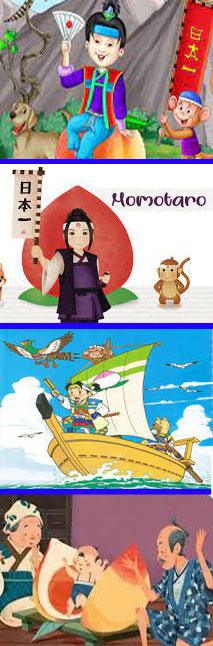
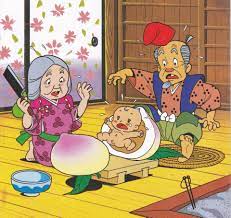
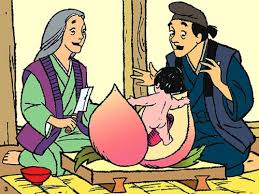
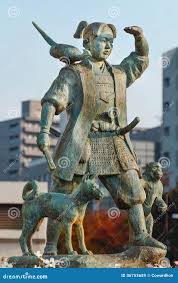
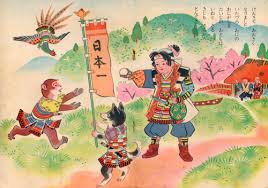
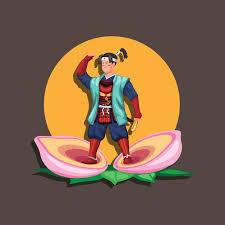
Momotaro è il protagonista di una delle fiabe più celebri del folklore giapponese. La leggenda narra di un bambino nato da una pesca gigantesca, trovata da una coppia di anziani che lo crebbero come un figlio. Una volta cresciuto, Momotaro partì per l’isola di Onigashima per combattere i malvagi Oni (orchi) che terrorizzavano la popolazione. Durante il viaggio, grazie alla sua generosità, strinse amicizia con un cane, una scimmia e un fagiano, che lo aiutarono a sconfiggere le creature e a riportare la pace e la ricchezza al suo villaggio.
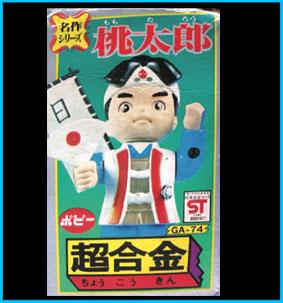
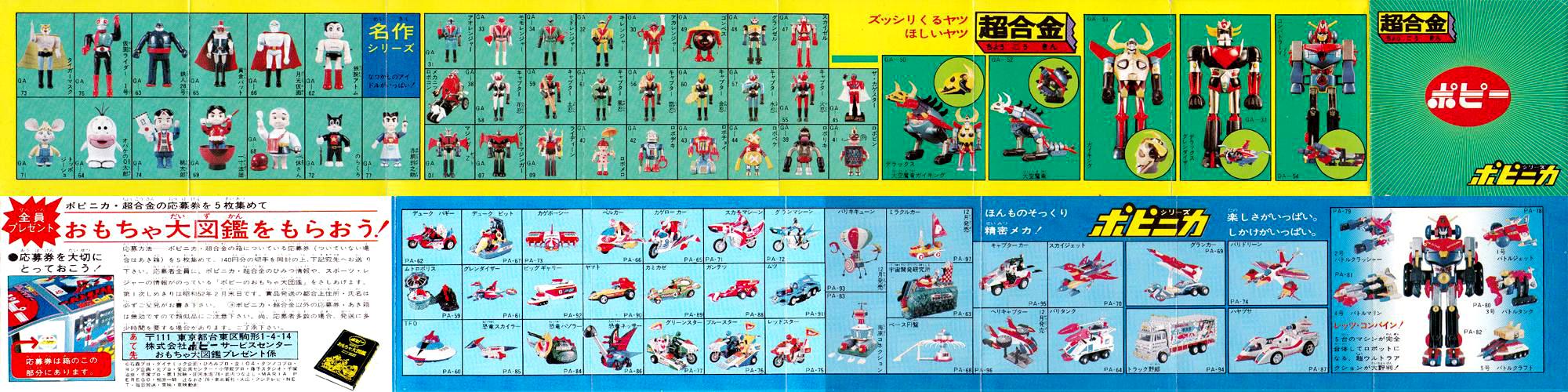
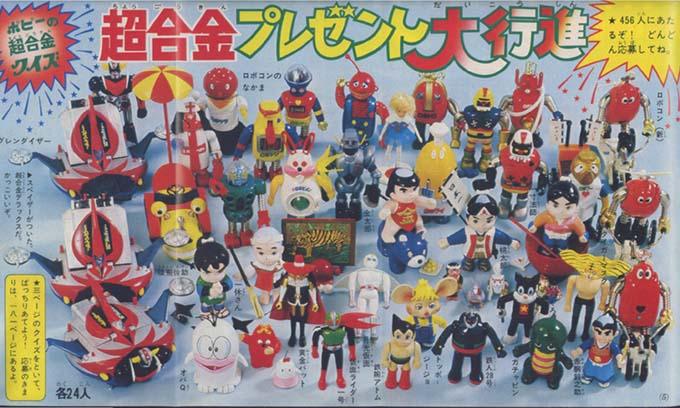
Il merchandising diecast dedicato a questo personaggio è stato realizzato dalla ditta Popy all’interno della prestigiosa Meisaku Serie (Serie dei Capolavori). Questa linea commemorativa comprende 13 modelli che celebrano figure iconiche della storia dell’animazione e del folklore nipponico. Il modello di Momotaro (GA74) è un pezzo molto particolare e ricercato dai collezionisti, poiché fonde la tradizione classica con la tecnologia dei Chogokin, rappresentando un esempio unico di come il vintage giapponese riesca a valorizzare le proprie radici culturali attraverso il giocattolo in metallo.

 |
|---|
| MOMOTARO |
Momotarō (Ragazzo dellapesca)è il protagonista di una celeberrima fiaba giapponese che da lui prende il nome. Secondo la versione più nota del racconto, risalente alperiodo Edo, Momotarō venne al mondo dentro una gigantescapesca, che venne pescata mentre andava alla deriva in un fiume da un’anziana donna che non aveva avuto figli e che si era recata al fiume per lavare i panni; la donna e suo marito scoprirono il bambino mentre cercavano di aprire la pesca per mangiarla, e questi spiegò loro di essere stato inviato dal cielo per essere loro figlio. Secondo la versione di più antica attestazione, invece, la donna mangiò un pezzo della pesca e tornò giovane e bella, e quando il marito tornò a casa convinse anche lui a cibarsene; la coppia, rinvigorita dai poteri della pesca, quella sera stessa concepì un figlio. Da notare al riguardo che la pesca è considerata in Giappone un simbolo di fertilità, per la sua forma che ricorda il fondoschiena di una donna. Il bambino venne chiamato Tarō (“figlio grande”, un nome molto comune per i primogeniti). Una volta cresciuto, il ragazzo lasciò la famiglia per andare ad affrontare glioni, sorta diorchiche vivevano nell’isola diOnigashima; lungo la strada incontrò uncane, unascimmiae unfagiano, che accettarono di aiutarlo nella sua missione. Insieme ai suoi amici animali, Momotarō penetrò nel forte di Ura, il capo degli oni, e lo costrinse alla resa; alle creature sottrasse il prezioso bottino, grazie al quale la sua famiglia e i suoi nuovi amici poterono vivere per sempre negli agi. |

Il merchandising Diecast della serie fu realizzato dalla ditta POPY  .
.
Momotaro fa parte della MEISAKU SERIE: (Lett. Personaggi Famosi). E’ una serie Popy composta da 13 modelli “commemorativi” che hanno segnato la storia dell’animazione giapponese.
Tutte le schede dei vari diecast realizzati sono disponibili nel Primo libro dell’enciclopedia e on line per gli Utenti Premium

| MOMOTARO |
| GA74 |





Momotaro: The Peach Boy
Momotaro is the protagonist of one of the most famous fairy tales in Japanese folklore. Legend tells of a boy born from a giant peach, found by an elderly couple who raised him as their own. Once grown, Momotaro set out for the island of Onigashima to battle the evil Oni (ogres) who terrorized the people. During his journey, thanks to his generosity, he befriended a dog, a monkey, and a pheasant, who helped him defeat the creatures and bring peace and prosperity back to his village.
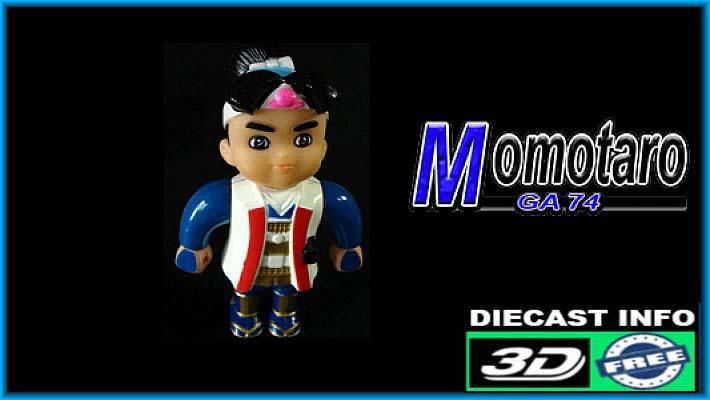
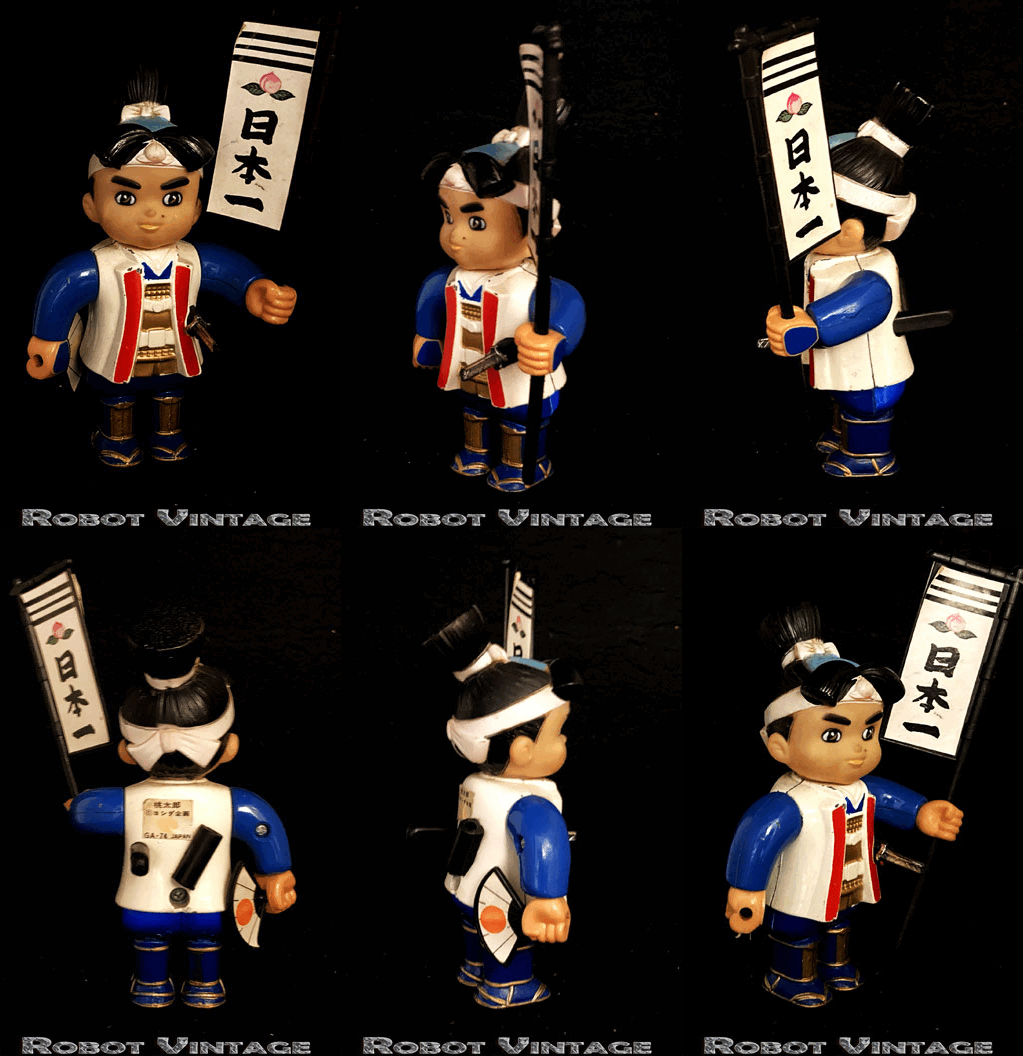
The diecast merchandising for this character was produced by the Popy company as part of the prestigious Meisaku Serie (Masterpiece Series). This commemorative line includes 13 models celebrating iconic figures from Japanese animation and folklore history. The Momotaro (GA74) model is a very special and sought-after piece for collectors, as it blends classic tradition with Chogokin technology, representing a unique example of how Japanese vintage toys honor cultural roots through diecast manufacturing.

|
|---|
| MOMOTARO |
Momotarō (Peach Boy) is the protagonist of a very famous Japanese fairy tale that takes his name. According to the most famous version of the tale, dating back to the Edo period, Momotarō was born inside a gigantic peach, which was fished out while it was drifting in a river by an old woman who had not had children and who had gone to the river to wash clothes; the woman and her husband discovered the child while they were trying to open the peach to eat it, and he explained to them that he had been sent from heaven to be their son. According to the oldest version, however, the woman ate a piece of the peach and became young and beautiful again, and when her husband returned home she convinced him to eat it too; the couple, invigorated by the powers of the peach, conceived a son that same evening. It should be noted in this regard that the peach is considered a symbol of fertility in Japan, due to its shape that resembles a woman’s bottom. The child was named Tarō (“big son”, a very common name for firstborns). Once grown up, the boy left his family to go and face the oni, a kind of ogre that lived on the island of Onigashima; along the way he met a dog, a monkey and a pheasant, who agreed to help him on his mission. Together with his animal friends, Momotarō entered the fort of Ura, the leader of the oni, and forced him to surrender; he stole the precious booty from the creatures, thanks to which his family and his new friends were able to live forever in comfort. |
The Diecast merchandising of the series was made by the POPY .
Momotaro is part of the MEISAKU SERIE : (Lit. Famous People). It is a Popy series composed of 13 “commemorative” models that have marked the history of Japanese animation.
All the cards of the various diecast models made are available in the First book of the encyclopedia and online for the Premium Users

| MOMOTARO |
| GA74 |


| Book Yuji Nishimura |
 VIEW |

| Green Arrow Graffitti |
VIEW |

| Hyper Mook 2 |
VIEW |


| Popy Booklet |
 |
