




Lupin III: Il Ladro Gentiluomo
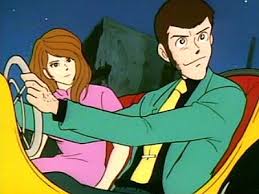
Ideato da Monkey Punch nel 1967 e ispirato al celebre personaggio di Maurice Leblanc, Lupin III narra le avventure di Arsenio Lupin III, il nipote del ladro gentiluomo originale. Accompagnato dal formidabile tiratore Daisuke Jigen e dal samurai Goemon Ishikawa XIII, Lupin organizza furti impossibili in tutto il mondo, costantemente inseguito dall’instancabile ispettore Zenigata dell’Interpol e distratto dall’affascinante e ambigua Fujiko Mine. La serie è diventata un pilastro della cultura pop grazie al suo mix unico di azione, ironia e un design dinamico inconfondibile.
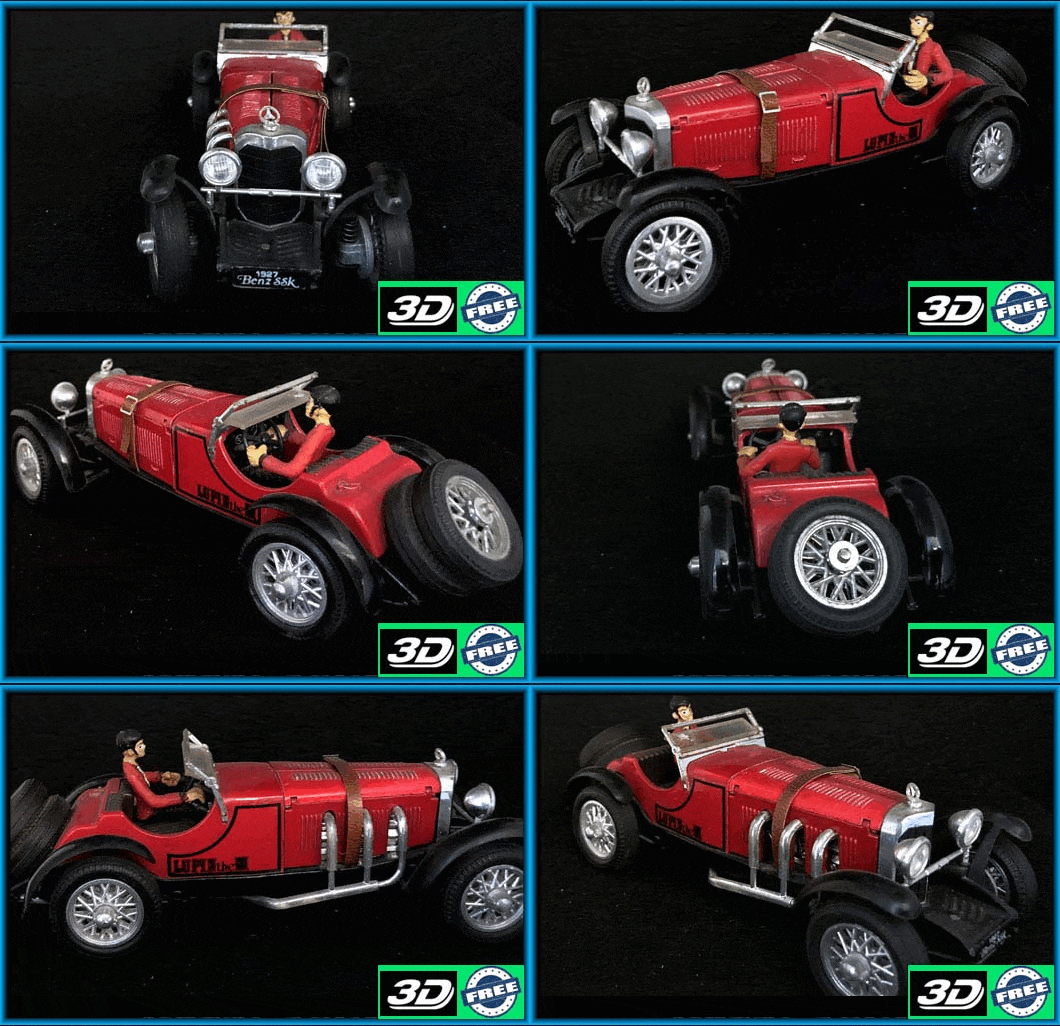
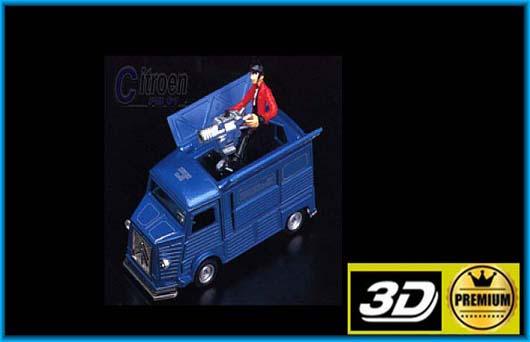
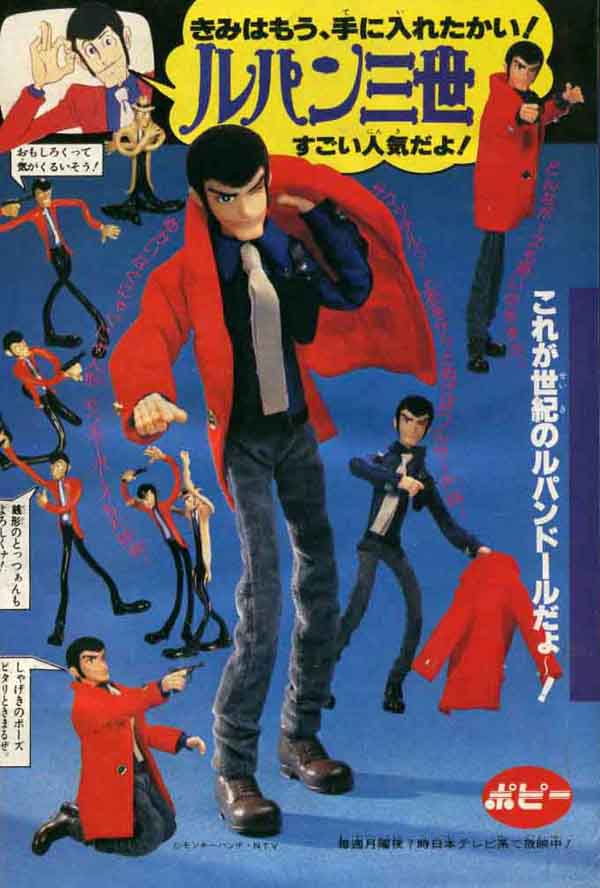
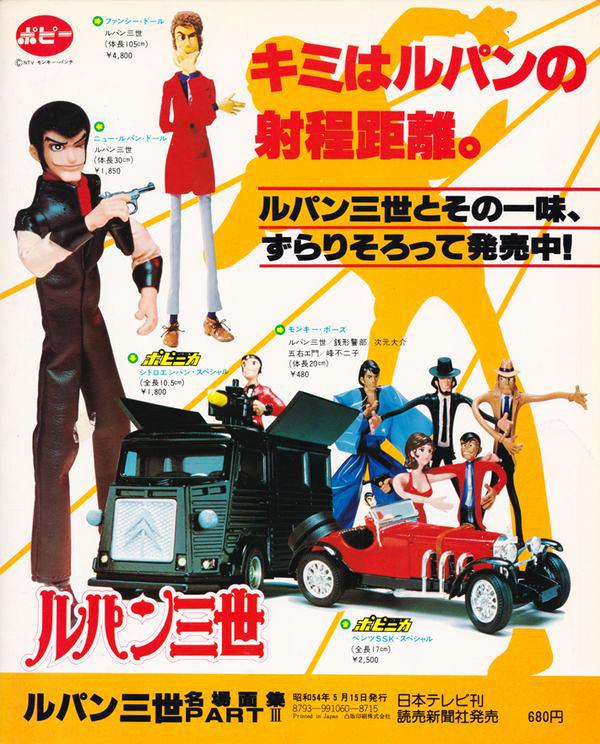
L’archivio di Robot Vintage analizza la produzione diecast realizzata da Popy alla fine degli anni ’70. Sebbene Lupin utilizzi innumerevoli veicoli nell’anime, Popy ha immortalato in metallo due pezzi iconici: la leggendaria Mercedes-Benz SSK (PB-62), compagna inseparabile delle prime avventure, e il camioncino Citroën (PB-61), utilizzato per una delle sue rocambolesche rapine. Questi modelli della serie Popynica sono oggi testimonianze rare e ricercatissime che celebrano il legame tra il mondo dei giocattoli in metallo e uno dei franchise più amati della storia dell’animazione.

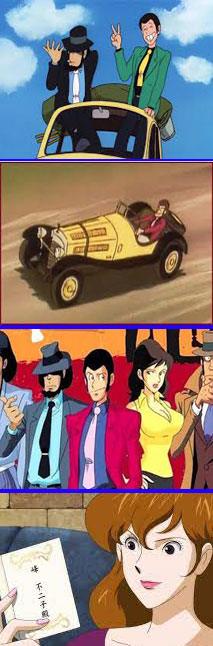
 |
|---|
| LUPIN 3TH- 228 PUNTATE – 1969 |
Lupin III è un manga ideato dal mangaka giapponese Monkey Punch nel 1967, liberamente ispirato ai romanzi del ladro gentiluomo Arsène Lupin creati da Maurice Leblanc. Dal manga sono stati tratti vari anime. Lupin III debuttò il 10 agosto 1967 sulle pagine di Weekly Manga Action, una rivista settimanale della Futabasha. Il suo autore è Kazuhiko Katō, un mangaka che diventerà famoso col nome d’arte di Monkey Punch. Katō non crea un personaggio ex novo, ma si rifà al protagonista dei racconti e romanzi di Maurice Leblanc, molto amato in Giappone: Arsène Lupin. Il suo Lupin altri non è che il discendente del celebre ladro gentiluomo, ovvero suo nipote. Il tratto di Monkey Punch è fresco, dinamico e accattivante, e le storie che crea avvincenti, già in linea con quello che Lupin sarà in futuro. Date le ricorrenti allusioni sessuali, il manga è rivolto in particolare ad un pubblico adulto, più precisamente agli universitari. Ma, esattamente per lo stesso motivo, è tra i liceali che suscita il maggior entusiasmo. La prima serie cartacea di Lupin proseguì sino al maggio 1969. Due anni dopo iniziò la serie denominata Shin bōken (“Nuove avventure”), che proseguì fino all’aprile 1972, ma grazie alla raccolta in un’unica serie di tankōbon sono entrambe conosciute come “prima serie”. Dopo la serie di 18 episodi Rupan kozō (“Lupin apprendista”) pubblicata nel 1975-76 su Weekly Shōnen Action, il 23 giugno 1977 Monkey Punch iniziò la seconda serie (Shin Rupan Sansei, “Nuovo Lupin III”) su Weekly Manga Action, col risultato di far raddoppiare le vendite della rivista. La sera dell’uscita della prima di queste nuove puntate, il successo fu tale da rendere impossibile trovare in tutta Tokyo una sola copia della rivista. Quattro anni dopo, nel maggio del 1981, la serie si concluse. Nell’episodio intitolato Kanketsuhen (“Capitolo finale”), Lupin, assieme ai suoi compagni, si ritrova su un isolotto deserto, che esplode davanti ad un attonito Zenigata. A galla sull’acqua rimangono una fondina, una pistola, una spada ed un reggiseno. Ma non è da escludere l’ennesima trovata di Lupin, seguita da una delle sue solite fughe rocambolesche. È infatti lo stesso Monkey Punch a vagheggiare la promessa di un seguito. Nel numero successivo di Action appare un episodio a sorpresa, con un giovanissimo Lupin alle prese con Zenigata, già adulto e sprovvisto però di impermeabile e cappello. |
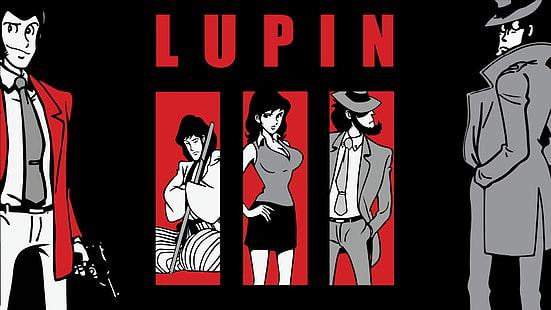

Il merchandising Diecast della serie fu realizzato dalla ditta POPY  .
.
Manga e Anime sono famosissimi in tutto il mondo. Popy ne sfruttò la fama per realizzare diecast di 2 veicoli utilizzati dal protagonista.
Tutte le schede dei vari diecast realizzati sono disponibili nel Secondo libro dell’enciclopedia e on line per gli Utenti Premium


Lupin III
Viene descritto come nipote del celebre Arsène Lupin, protagonista di vari romanzi di Maurice Leblanc. Come il nonno e il padre, è un ladro dalle innumerevoli abilità, ricercato dalla polizia di tutto il mondo, in particolare dall’ispettore Koichi Zenigata dell’Interpol, che è diventato suo acerrimo rivale cercandolo senza sosta in tutto il mondo per arrestarlo, senza però avere successo.

Daisuke Jigen
Jigen è il tiratore scelto, aiutante di campo e migliore amico di Arsenio Lupin III. Insieme al collega Goemon Ishikawa XIII, si unisce a Lupin alla ricerca di ricchezze acquisite tipicamente con il furto. Viaggiando in tutto il mondo, Jigen si è guadagnato la fama di pistolero con una velocità e una precisione incredibilmente alte.

Goemon Ishikawa XIII
Goemon è il ritratto del perfetto samurai, animato da un profondo senso dell’onore e che segue un austero stile di vita, apparentemente insensibile al fascino femminile (ma anche lui, come Jigen, non ne è del tutto immune). Rispetto a Daisuke Jigen appare molto più schivo ed estraneo alla banda di Arsenio Lupin III; tuttavia il suo aiuto si è rivelato più volte fondamentale per Lupin, per il quale prova grande rispetto.

Fujiko Mine
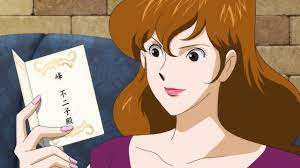
È un’abile ladra e artista della truffa che lavora al fianco di Arsenio Lupin III. Fujiko è nota per il suo aspetto seducente e la sua astuta intelligenza, nonché per la sua propensione a fare il doppio gioco con i suoi partner. È raffigurata come una donna dallo spirito libero, indipendente, forte, capace e molto ambiziosa, sempre alla ricerca di modi per acquisire più ricchezza.

Margot
Margot compare dalla seconda stagione dell’anime di Lupin, nonostante l’aspetto molto diverso (capelli più corti e di colore scuro) si tratta sempre di Fujico Mine, il personaggio è lo stesso, è stata la traduzione in Italiano dell’anime ad aver creato ambiguità sulla reale identità del personaggio.

Koichi Zenigata
Ispettore capo dell’ICPO di cui fa parte dal 1956, è il rivale per antonomasia di Arsenio Lupin III. Acciuffare Lupin è sempre stato il suo maggiore desiderio, così come i suoi antenati hanno dato la caccia a quelli di Lupin.

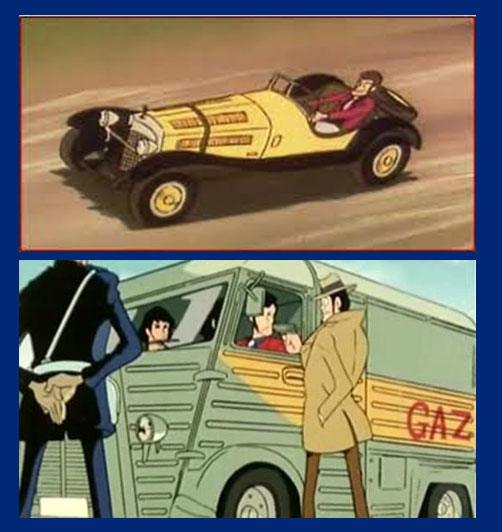
Durante l’anime Lupin guida molti veicoli, Popy ne ha realizzati 2, la mitica Mercedes Benz ed un camincino guidato da Lupin durante una delle tante rapine.

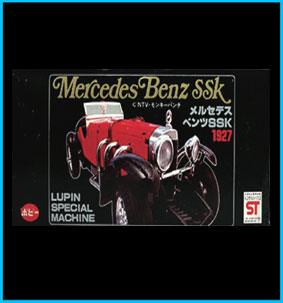
| MERCEDES BENZ SSK |
| PB62 |
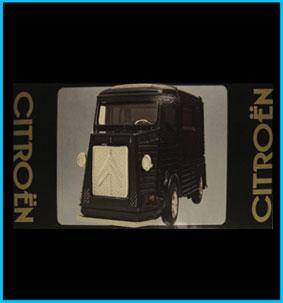
| CITROEN |
| PB61 |



Lupin the Third: The Gentleman Thief
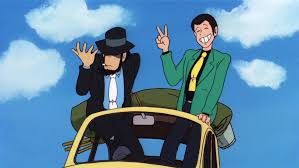
Created by Monkey Punch in 1967 and inspired by Maurice Leblanc’s famous character, Lupin III follows the adventures of Arsène Lupin III, the grandson of the original gentleman thief. Accompanied by the master marksman Daisuke Jigen and the samurai Goemon Ishikawa XIII, Lupin orchestrates impossible heists across the globe, constantly pursued by the tireless Inspector Zenigata of Interpol and distracted by the charming and ambiguous Fujiko Mine. The series has become a pop culture pillar thanks to its unique mix of action, irony, and an unmistakable dynamic design.
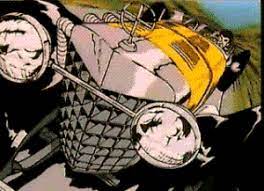
The Robot Vintage archive analyzes the diecast production created by Popy in the late 1970s. Although Lupin uses countless vehicles in the anime, Popy immortalized two iconic pieces in metal: the legendary Mercedes-Benz SSK (PB-62), his inseparable companion in early adventures, and the Citroën van (PB-61), used in one of his daring robberies. These models from the Popynica series are now rare and highly sought-after collectibles that celebrate the link between the world of diecast toys and one of the most beloved franchises in animation history.

|
|---|
| LUPIN 3TH- 228 EPISODE – 1969 |
Lupin III is a manga created by Japanese manga artist Monkey Punch in 1967, loosely based on the novels of the gentleman thief Arsène Lupin created by Maurice Leblanc. Various anime have been adapted from the manga. Lupin III debuted on August 10, 1967 in the pages of Weekly Manga Action, a weekly magazine published by Futabasha. Its author is Kazuhiko Katō, a mangaka who would become famous under the pen name Monkey Punch. Katō does not create a new character, but is based on the protagonist of Maurice Leblanc’s stories and novels, much loved in Japan: Arsène Lupin. His Lupin is none other than the descendant of the famous gentleman thief, namely his nephew. Monkey Punch’s style is fresh, dynamic and captivating, and the stories he creates are compelling, already in line with what Lupin will be in the future. Given the recurring sexual allusions, the manga is aimed in particular at an adult audience, more precisely at university students. But, for exactly the same reason, it is among high school students that it arouses the greatest enthusiasm. The first paper series of Lupin continued until May 1969. Two years later, the series called Shin bōken (“New adventures”) began, which continued until April 1972, but thanks to the collection in a single series of tankōbon they are both known as “first series”. After the 18-episode series Rupan kozō (“Lupin the Third”) published in Weekly Shōnen Action in 1975-76, Monkey Punch began the second series (Shin Rupan Sansei, “New Lupin III”) in Weekly Manga Action on June 23, 1977, resulting in the magazine doubling its sales. On the evening of the first of these new installments, the success was such that it was impossible to find a single copy of the magazine in all of Tokyo. Four years later, in May 1981, the series ended. In the episode entitled Kanketsuhen (“Final Chapter”), Lupin, along with his companions, finds himself on a deserted island, which explodes in front of an astonished Zenigata. Floating on the water are a holster, a gun, a sword and a bra. But Lupin’s umpteenth idea cannot be ruled out, followed by one of his usual daring escapes. In fact, Monkey Punch himself is the one who dreams of a sequel. In the next issue of Action, a surprise episode appears, with a very young Lupin grappling with Zenigata, who is already an adult and without a raincoat and hat. |
The Diecast merchandising of the series was made by the POPY .
Manga and Anime are very famous all over the world. Popy exploited their fame to make diecasts of 2 vehicles used by the protagonist.
All the cards of the various diecast models made are available in the Second book of the encyclopedia and online for the Premium Users

Lupin III
He is described as the grandson of the famous Arsène Lupin, protagonist of various novels by Maurice Leblanc. Like his grandfather and father, he is a thief with countless skills, wanted by the police all over the world, in particular by Inspector Koichi Zenigata of Interpol, who has become his bitter rival, tirelessly looking for him all over the world to arrest him, but without success.
Daisuke Jigen
Jigen is the sharpshooter, aide-de-camp, and best friend of Arsène Lupin III. Along with his colleague Goemon Ishikawa XIII, he joins Lupin in his quest for riches, typically acquired through theft. Traveling the world, Jigen has earned a reputation as a gunslinger with incredibly high speed and accuracy.
Goemon Ishikawa XIII
Goemon è il ritratto del perfetto samurai, animato da un profondo senso dell’onoreGoemon is the portrait of the perfect samurai, animated by a deep sense of honor and following an austere lifestyle, apparently insensitive to female charm (but he too, like Jigen, is not completely immune to it). Compared to Daisuke, Jigen appears much more reserved and alien to Arsene Lupin III’s gang; however, his help has proven to be fundamental for Lupin on several occasions, for whom he feels great respect.
e che segue un austero stile di vita, apparentemente insensibile al fascino femminile (ma anche lui, come Jigen, non ne è del tutto immune). Rispetto a Daisuke Jigen appare molto più schivo ed estraneo alla banda di Arsenio Lupin III; tuttavia il suo aiuto si è rivelato più volte fondamentale per Lupin, per il quale prova grande rispetto.
Fujiko Mine
She is a skilled thief and con artist who works alongside Arsène Lupin III. Fujiko is known for her seductive appearance and cunning intelligence, as well as her propensity for double-crossing her partners. She is depicted as a free-spirited, independent, strong, capable, and highly ambitious woman, always looking for ways to acquire more wealth .
Margot
Margot appears from the second season of the Lupin anime, despite her very different appearance (shorter and darker hair) it is still Fujico Mine, the character is the same, it was the Italian translation of the anime that created ambiguity about the real identity of the character.
Koichi Zenigata
Chief Inspector of the ICPO of which he has been a member since 1956, he is the rival par excellence of Arsène Lupin III. Catching Lupin has always been his greatest desire, just as his ancestors hunted down those of Lupin.

During the anime Lupin drives many vehicles, Popy has made 2, the legendary Mercedes Benz and a van driven by Lupin during one of his many robberies.

| MERCEDES BENZ SSK |
| PB62 |
| CITROEN |
| PB61 |


| Book Yuji Nishimura |
 VIEW |

| Green Arrow Graffitti |
VIEW |


| Popy Booklet |
 |
